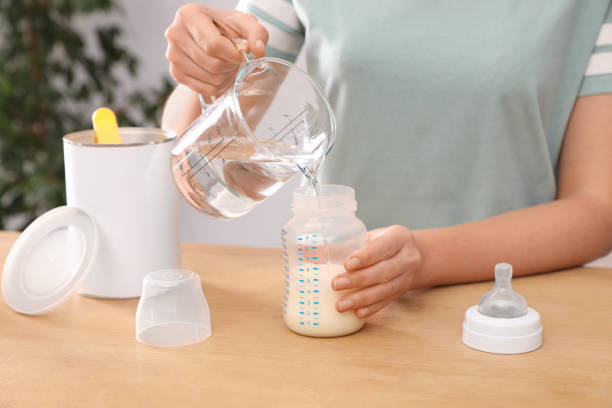
Why water quality matters for baby formula prep
Formula preparation can feel like a simple routine: measure water, add formula, mix, feed, clean, repeat. But for babies, the...
Infant Safety Guide is a modern, fact-based resource designed to help parents and caregivers keep babies safe during the first two years of life—without fear, overwhelm, or conflicting advice. Safety information online can often feel alarming or extreme, leaving parents anxious rather than informed. Our goal is different: to make safety feel clear, practical, and manageable.
Simple, easy to follow safety advice you can actually use in everyday parenting
No myths or fear tactics, just reliable guidance based on real safety knowledge
We simplify complex safety topics so you feel confident, not confused
This site focuses on everyday environments where babies actually live—homes, apartments, brownstones, shared spaces, and childcare settings. We translate established safety guidance into plain language so parents can understand what matters most and why, without needing a medical background or hours of research. Infant safety is not about perfection. It’s about understanding risks, reducing them thoughtfully, and creating routines that fit real family life. We believe parents deserve guidance that respects their intelligence, time, and emotional well-being.
Becoming responsible for a baby’s safety can feel overwhelming. Parents are often exposed to alarming headlines, worst-case scenarios, and conflicting rules that make everyday decisions feel risky. Infant Safety Guide takes a different approach—one grounded in clarity, balance, and reassurance.
Helping you stay informed and make better decisions without stress or anxiety
Understand real risks clearly while knowing what is safe and manageable
Simple routines and habits that naturally fit into everyday family life
Adaptable guidance that respects different homes, lifestyles, and caregiving setups
Infant safety takes on additional importance in older buildings, particularly in NYC and New Jersey, where many families live in pre-war apartments, brownstones, and multi-unit homes. These environments often come with unique considerations that standard safety advice doesn’t always address. Older buildings may include aging plumbing, lead-based paint risks, older electrical systems, radiator heating, drafty windows, uneven floors, and limited space. These factors don’t make homes unsafe—but they do require thoughtful safety planning.
Focused guidance for families living in pre-war apartments, brownstones, and multi-unit buildings, addressing the unique safety needs of older housing structures.
Clear awareness of factors like aging plumbing, lead-based paint, old electrical systems, radiator heating, and uneven flooring, explained in a practical and non-alarming way.
Safety guidance designed for real city homes with limited space, shared walls, and compact layouts, helping families adjust safety practices to their environment.
Support for navigating stairwells, elevators, walk-ups, and common areas, where urban families face different types of everyday safety challenges.
Simple, achievable safety advice that fits into busy family routines without adding stress or unrealistic expectations.
Non-alarmist, thoughtful guidance that helps families understand risks and make confident decisions without fear or overwhelm.
Infant Safety Guide is organized around the safety areas that matter most during the first two years of life. Each section is designed to stand on its own, so you can go directly to what you need—without digging through unnecessary information.
Clear, plain-language guidance on infant sleep environments and routines
Safe preparation, storage, and feeding practices for breast milk and formula
Choosing safe baby gear and understanding recalls without panic
Everyday risk reduction for rooms, furniture, windows, and common hazards
No. Infant Safety Guide is an educational and informational resource designed to help parents and caregivers understand everyday safety for babies ages 0–24 months. We provide fact-based, practical guidance, but we do not replace medical advice. For medical concerns, emergencies, or health-related questions, always consult a qualified healthcare professional.
Not usually. Most baby safety improvements involve small, realistic adjustments, not major renovations. Simple steps—like securing furniture, using safe sleep setups, and adjusting routines—reduce the most common risks. Our goal is to help families make safety changes that fit their homes, schedules, and budgets.
Yes. Many parents feel overwhelmed because safety information online is often presented in a fear-based or extreme way. InfantSafetyGuide.org focuses on clarity and prioritization—helping you understand what matters most so safety feels manageable rather than stressful.
Yes. Many families live in apartments, brownstones, and older homes—especially in NYC and New Jersey. We address common features of these environments, such as older plumbing, radiators, small spaces, and shared buildings, so our guidance feels practical and relevant.
You don’t need to check constantly. Reviewing recalls when purchasing new baby products and doing a periodic check a few times a year is usually sufficient. Registering baby products with manufacturers can also help ensure you receive recall notifications directly.
Formula preparation can feel like a simple routine: measure water, add formula, mix, feed, clean, repeat. But for babies, the...
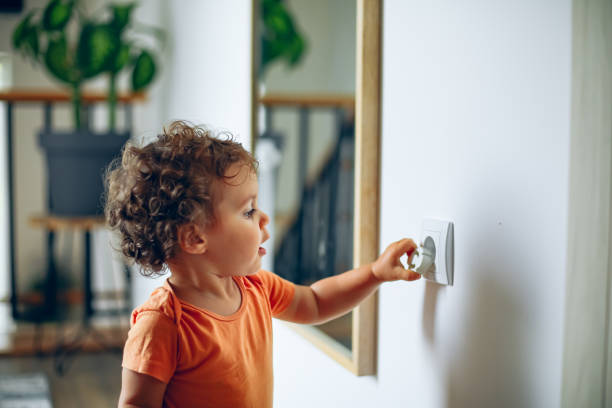
Older buildings can be wonderful family homes, especially in cities where prewar apartments, brownstones, townhouses, and older multifamily buildings are...
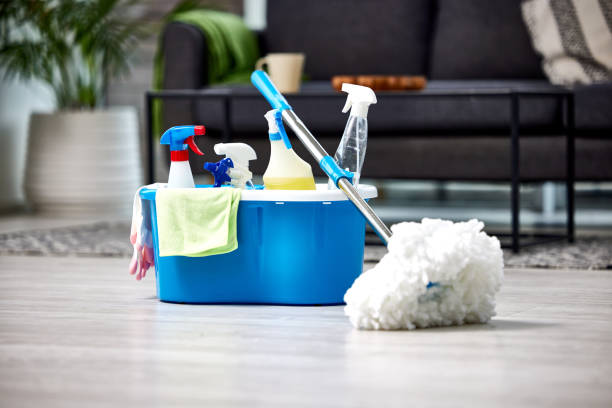
Choosing cleaning products for a home with a baby can feel confusing. Parents want the home to be clean, but...