Bringing a baby home often comes with a sudden flood of safety advice. Friends share warnings, social media highlights worst-case scenarios, and online searches lead to long lists of things that can go wrong. For many parents, the result isn’t confidence—it’s anxiety.
The truth is that baby safety doesn’t require constant fear or perfect preparation. It requires understanding what matters most, making a few thoughtful adjustments, and building safe routines over time.
A good place to start is focusing on the highest-impact areas: sleep, feeding, and the immediate home environment. These are the spaces and activities babies interact with most often, and where small changes can significantly reduce risk.
Safe sleep, for example, does not require special products or complicated rules. A firm mattress, a clear sleep space, and placing babies on their backs cover the majority of sleep-related safety concerns. Keeping the crib free of extras may feel minimal, but simplicity is what makes it safer.
In the home, safety is about predictability. Securing furniture, keeping floors clear, and storing hazardous items out of reach reduce the most common risks babies face as they grow and explore. These changes don’t require a full home makeover—just awareness and consistency.
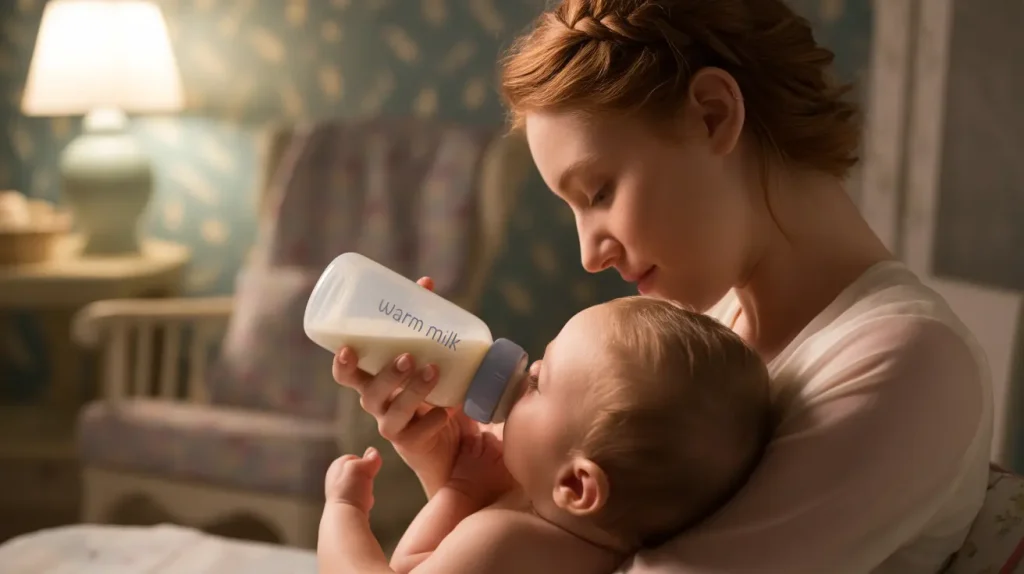
Feeding safety follows the same principle. Clean hands, safe preparation routines, age-appropriate foods, and supervision go a long way. You don’t need perfect technique or expensive gear to feed safely.
It’s also important to remember that babies grow quickly. Safety needs change over time, and it’s normal to adjust gradually rather than all at once. Trying to “baby-proof everything” before your baby arrives often leads to unnecessary stress.
Most importantly, safety should support your peace of mind, not replace it with fear. Calm, informed decisions help parents feel capable—and capable parents are better equipped to respond when challenges arise.
Baby safety is not about eliminating risk entirely. It’s about reducing preventable hazards and creating an environment where babies can grow safely—and parents can breathe.