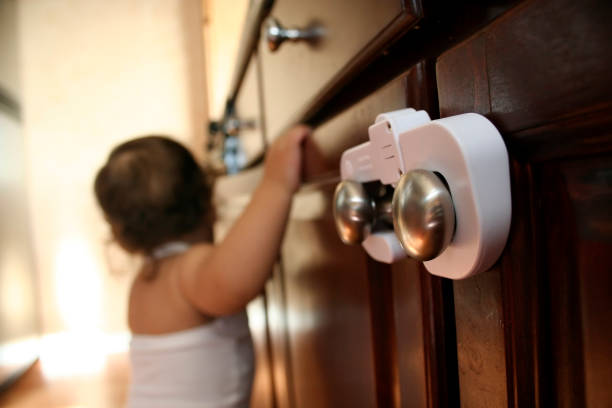
Brooklyn brownstones are beautiful, historic, and full of character, but they can also be tricky homes for babies and toddlers. Narrow stairs, tall windows, old radiators, layered renovations, small kitchens, deep closets, original woodwork, and multi-level layouts all create safety questions that newer homes may not have. Parents may love the charm of a brownstone, but once a baby begins rolling, crawling, pulling up, and climbing, the home starts to look very different.
The best safety hacks from Brooklyn brownstone families are usually not complicated. They are practical habits and smart layout choices that make the home safer without covering every surface in bulky gear. Families often learn that the goal is not to make the brownstone look like a showroom nursery. The goal is to reduce real risks while keeping the home livable. A good starting point is to focus on home safety basics, then adjust those basics to fit the unique details of an older Brooklyn home.
Hack 1: Treat Stairs as the First Priority
In many Brooklyn brownstones, stairs are part of daily life. There may be a stoop, an interior staircase, a garden-level entry, basement stairs, or steps between rooms. Parents often say stair safety should be handled before the baby crawls, not after. A baby can become mobile quickly, and stairs are not something to figure out at the last minute.
Families often use hardware-mounted gates at the top of stairs and carefully installed gates at the bottom where needed. Pressure-mounted gates can shift and are generally not the best choice at the top of stairs. The American Academy of Pediatrics’ HealthyChildren.org recommends using safety gates at the top and bottom of stairs and avoiding accordion-style gates. Parents can review its home safety guidance for more practical tips. In a brownstone, gate fit can be challenging because banisters, trim, and uneven walls may not match standard gate hardware. Some families need professional installation or special mounting kits to avoid damaging historic wood while still creating a secure barrier.
Hack 2: Create One Fully Safe Floor Zone
Brownstones can have multiple levels, but parents do not always need to baby-proof every room at once. One favorite strategy is creating one fully safe floor zone where the baby can explore under supervision. This may be the parlor floor, a living room corner, a bedroom, or a garden-level family area. The safe zone should be free of small objects, cords, unstable furniture, sharp corners, loose rugs, and exposed outlets.
This approach helps reduce clutter because parents do not need to buy safety products for every inch of the house immediately. Instead, they create one dependable area for floor play. A washable mat, a few age-appropriate toys, secured furniture, and blocked access to stairs or kitchens can make the space functional. Families can expand the safe zone as the baby grows. This works especially well in brownstones because different floors may serve very different purposes.
Hack 3: Anchor Tall Furniture Early
Brooklyn brownstones often use tall furniture because closet space can be limited. Families may rely on bookcases, dressers, wardrobes, storage cabinets, and media units. These pieces can become tip-over hazards when a child starts pulling up or climbing. One of the most important safety hacks is anchoring furniture before the baby is mobile.
The U.S. Consumer Product Safety Commission’s Anchor It campaign focuses on preventing furniture and TV tip-over injuries. Parents can review CPSC’s Anchor It safety information for guidance. In older brownstones, anchoring may require the right hardware for plaster, brick, or older wall materials. Families should not assume standard screws will work in every wall. If unsure, ask a qualified handyman, contractor, or building professional. Anchoring is a low-clutter safety upgrade because it does not take visible floor space once installed.
Hack 4: Keep Cribs Away From Windows and Radiators
Many brownstone bedrooms have large windows, radiators, deep sills, curtains, or older window hardware. These features may look charming, but they require careful nursery planning. Families often recommend choosing the crib or bassinet location before adding any nursery decor. The sleep space should stay away from windows, cords, curtains, shelves, radiators, and anything the baby could later reach or pull.
Safe sleep should remain simple. Babies should sleep on their backs on a firm, flat surface without loose blankets, pillows, crib bumpers, stuffed toys, or soft objects. The American Academy of Pediatrics provides official safe sleep guidance that parents can use when planning the nursery. Brownstone parents can also review safe sleep basics before placing furniture. A crib may look perfect under a window in photos, but safety comes before symmetry.
Hack 5: Use Radiator Covers Carefully
Radiators are common in older Brooklyn homes, and they can become hot enough to worry parents. A radiator cover can help reduce direct contact risk, but it must be stable, properly fitted, and safe for the home’s heating system. Families often choose covers that are sturdy, ventilated, and not easy for a child to pull away or climb. A radiator cover should not become a shelf for heavy objects, bottles, toys, or decor.
Parents should also keep play mats, sleep spaces, and toy baskets away from direct heat. Heat can affect comfort, dry out the air, and create burn risks as babies become mobile. If a radiator is in the only available nursery wall space, the room layout may need extra thought. The safest solution is usually a clear buffer zone around heat sources.
Hack 6: Manage Window and Blind Cords Immediately
Window cords are easy to overlook because adults stop noticing them. Babies and toddlers notice anything that hangs. Brownstone families often replace corded blinds with cordless options or secure cords far out of reach. Cords should never hang near a crib, changing area, chair, or play mat. Curtains should also be checked because babies may pull fabric once they can stand.
Deep window sills can also attract toys, books, plants, and decor, but families should avoid placing tempting objects there. As children grow, window areas can become climbing zones. Keep furniture away from windows, avoid using window sills as storage, and make sure window guards or safety devices follow local requirements. Screens are not fall protection.
Hack 7: Keep Original Doors and Hardware in Mind
Older brownstones may have heavy doors, old locks, glass knobs, pocket doors, narrow closets, or original hardware. These details can be beautiful but may pinch fingers, swing heavily, or fail to close securely. Families often use door stops, hinge guards, or simple rules about which doors stay closed. Closets with cleaning products, tools, or storage should be secured.
Pocket doors and heavy wood doors deserve special attention because little fingers can get caught quickly. Parents can also check loose knobs, sharp strike plates, and doors that do not latch well. A small repair may make a big difference. Safety hacks are not always products; sometimes they are maintenance tasks that make the home function more predictably.
Hack 8: Make the Kitchen a No-Go Zone During Cooking
Brownstone kitchens vary widely. Some are narrow galley kitchens, some are garden-level kitchens, and some are open to a family room. Parents often find that the safest kitchen strategy is to make it a controlled zone, especially during cooking. This may mean a gate, a closed door, a play yard nearby, or a clear rule that the baby is not on the kitchen floor while the stove is in use.
Move knives, cleaning products, glassware, plastic bags, dishwasher pods, and small appliances out of reach. Turn pot handles inward, keep hot drinks away from edges, and avoid holding a baby while cooking. Families preparing bottles or formula should also keep feeding supplies separate from cleaning products and raw food areas. The feeding and formula safety section can help families think through safer kitchen routines.
Hack 9: Use Wet Cleaning for Old Dust
Older homes can collect dust in baseboards, window tracks, floor gaps, radiators, and trim details. In brownstones with older paint layers, dust should be treated seriously. NYC Health explains that lead paint can still be present in older buildings and that lead dust can come from peeling paint or friction surfaces like windows and doors. Parents can review NYC Health’s lead poisoning prevention guidance for official recommendations.
Brownstone parents often use wet-wiping and damp mopping instead of dry dusting around window sills, baseboards, and floors where babies play. Dry sweeping can move dust around. Wet cleaning helps capture it. Families should also keep babies away from peeling paint and report damaged paint to a landlord or arrange proper repair if they own the home. Do not sand or scrape old paint without professional guidance.
Hack 10: Choose Low-Clutter Bath Safety
Brownstone bathrooms may be small, old, narrow, or located on a different floor from the baby’s main play area. Bath safety does not need many products, but it does need consistent habits. Keep the bathroom door closed when not in use. Store razors, medicines, cleaners, cosmetics, and small caps out of reach or locked away. Use non-slip support where appropriate, test water temperature, and never leave a baby unattended in or near water.
Families can review bath and hygiene safety for practical routines. One parent favorite is a “bath basket” that holds only what is needed for that bath: towel, washcloth, gentle cleanser, clean diaper, and pajamas. This prevents parents from reaching around while the baby is in the water. In older bathrooms, keep electrical items away from water and check floors for slippery spots.
Hack 11: Keep Entryways Clear
Brownstone entryways can become cluttered quickly with strollers, shoes, umbrellas, diaper bags, scooters, packages, and mail. But entryways are also emergency paths. Families often create a strict landing zone: stroller in one spot, shoes in a basket, keys high, mail off the floor, and no loose bags near the stairs. This reduces tripping hazards and keeps small objects away from crawling babies.
Stoops and front doors also need attention. Make sure doors latch securely and that babies or toddlers cannot access the stoop unsupervised. If the stroller is stored near the entrance, lock the wheels and keep loose straps or dangling accessories out of reach. A clear entryway makes daily life easier and improves safety at the same time.
Hack 12: Check Recalls Before Using Hand-Me-Down Gear
Brooklyn families often share baby gear with friends, neighbors, and relatives. Hand-me-downs can be helpful, but they should be checked carefully. Cribs, bassinets, play yards, high chairs, strollers, gates, bath seats, and sleep products should be reviewed for recalls, missing parts, and current safety expectations. An older product may fit a brownstone perfectly but still be unsafe.
The U.S. Consumer Product Safety Commission maintains an official recall database that families can search before using secondhand items. Parents can also review product safety recalls to build a habit of checking. A free item is not a good deal if it creates a preventable hazard.
Hack 13: Make a Weekly Brownstone Safety Reset
Brownstone safety changes as babies grow. A newborn who stays in one place becomes a roller, crawler, climber, and stair seeker faster than many parents expect. Families often recommend a weekly safety reset. Walk through the home at baby level. Check stairs, gates, cords, radiators, windows, loose paint, furniture anchors, small objects, and bathroom doors. Look for what changed during the week.
This habit prevents safety from becoming a one-time project. It also helps families avoid clutter because they can remove unused items, rotate toys, and keep the safe zone clear. A weekly reset is especially helpful in homes with multiple floors because hazards can appear in corners adults do not use every day.
The Bottom Line
Brooklyn brownstone families often find that the best safety hacks are simple, consistent, and specific to older homes. Prioritize stairs, anchor furniture, keep sleep spaces away from windows and radiators, manage cords, control kitchen access, wet-clean old dust, check hand-me-down gear, and create one strong safe play zone. These steps protect babies without filling the home with unnecessary clutter.
A brownstone does not have to lose its charm to become safer for a baby. Parents can preserve the character of the home while reducing the risks that matter most. The key is to think ahead, install safety products carefully, maintain the home, and update the plan as the baby grows. A safer brownstone is not a perfect house. It is a home where hazards are noticed early, routines are simple, and the baby has space to explore with better protection.