Improving air quality in a small NYC or New Jersey room can feel difficult because space is limited and air can feel trapped quickly. A nursery may also be the parents’ bedroom. A living room may double as a play area. A small apartment may have old windows, radiator heat, limited ventilation, hallway odors, cooking smells, city dust, pet dander, and cleaning product residue all sharing the same air. For babies, this matters because they spend a lot of time indoors, close to floors, fabrics, bedding, and caregiver routines.
Better indoor air quality does not require a perfect apartment or a full home renovation. It usually starts with practical habits: reduce dust, control moisture, avoid strong fragrances, ventilate safely, keep sleep areas simple, choose safer cleaning routines, and use air purifiers thoughtfully when needed. Small rooms can improve quickly when parents focus on the biggest sources first. Families can begin with home safety basics and then build a cleaner air routine around the baby’s sleep, feeding, bathing, and play spaces.
Start by Reducing Dust at the Source
Dust is one of the biggest air quality issues in small city rooms. It can collect on windowsills, radiators, baseboards, rugs, shelves, toys, curtains, and under furniture. In NYC and NJ apartments, dust can also come from hallways, street traffic, shoes, old building materials, pet dander, and open windows. The smaller the room, the faster dust can feel noticeable.
Instead of only using air fresheners or sprays, start with dust control. Wet-wipe surfaces with a damp microfiber cloth, vacuum slowly, and damp mop hard floors where the baby plays. Avoid dry dusting when possible because it can send particles into the air. Keep the baby’s sleep and play areas simple so there are fewer surfaces collecting dust. A cleaner room usually starts with fewer dust traps.
Keep the Baby’s Sleep Space Clear
A clear sleep space is important for both safe sleep and cleaner air. Soft items like pillows, loose blankets, bumpers, stuffed animals, fabric canopies, and decorative cushions can collect dust and are not recommended in an infant sleep space. The American Academy of Pediatrics recommends that babies sleep on their backs on a firm, flat surface without loose bedding or soft objects. Parents can review the AAP’s official safe sleep guidance for clear recommendations.
This advice helps small-room air quality because the crib or bassinet stays easier to clean. A fitted sheet on a firm mattress is easier to wash than a decorated sleep setup full of fabric. Families can also review safe sleep guidance when arranging a nursery corner in a shared bedroom or small apartment. Less fabric near the baby usually means less dust, less clutter, and fewer sleep hazards.
Use Ventilation Carefully
Ventilation can help improve indoor air quality, but in NYC and NJ rooms it needs to be done thoughtfully. Opening a window may bring in fresh air, but it can also bring in pollen, traffic pollution, construction dust, smoke, or outdoor odors depending on the location and season. Parents should ventilate when outdoor conditions are reasonable and keep babies away from unsafe window areas, cords, and drafts.
The Environmental Protection Agency explains that ventilation is one way to improve indoor air quality by bringing outdoor air indoors and removing indoor pollutants. Parents can review the EPA’s overview of improving indoor air quality for broader guidance. In a small room, even short periods of safe ventilation can help after cooking, cleaning, painting, or strong odors. But windows should never create a fall risk, cord hazard, or unsafe sleep placement.
Control Moisture Before It Becomes Mold
Moisture is a major indoor air issue in small rooms. Bathrooms without strong ventilation, older windows, radiator heat, roof leaks, basement-level units, humid summers, and condensation can all create damp conditions. Dampness can lead to mold growth, musty odors, and surface damage. Babies should not sleep or play near damp walls, bubbling paint, or visible mold.
The CDC explains that mold can cause symptoms such as stuffy nose, wheezing, red or itchy eyes, or skin irritation in some people, and that mold growth should be cleaned up while the moisture problem is fixed. Parents can review the CDC’s official mold health information for general guidance. If moisture keeps returning, the source needs attention. Wiping the surface is not enough if the leak, condensation, or ventilation problem continues.
Keep Humidity Balanced
Small rooms can become too dry in winter or too humid in summer. Radiator heat may make the air feel dry, while older buildings and humid weather can make rooms feel damp. Both extremes can be uncomfortable. Very dry air may bother noses and skin, while high humidity can support mold and dust mites. Parents should monitor the room rather than guessing.
A small hygrometer can help show humidity levels. Many families aim for a comfortable middle range, often around 30% to 50% indoor humidity, though conditions vary. If using a humidifier, clean it often and follow the manufacturer’s instructions carefully. A dirty humidifier can add particles or microbes to the air. If using a dehumidifier, empty and clean it regularly. Air quality tools are only helpful when maintained.
Choose Fragrance-Free When Possible
Strong smells can make a small room feel clean, but fragrance does not equal clean air. Plug-ins, sprays, candles, incense, scented disinfectants, heavily fragranced laundry products, and strong room sprays can add irritants. Babies do not need scented rooms. If a room smells stale, musty, or smoky, the better approach is to find and reduce the source rather than cover it.
Choose fragrance-free or low-odor cleaning and laundry products where possible, especially for the baby’s sleep area, bedding, clothing, and play space. Avoid spraying products near the baby. After cleaning, ventilate safely if needed. A room can smell less “perfumed” and still be much cleaner. In small rooms, less scent is often better.
Be Careful With Cleaning Products
Cleaning is important, but cleaning products can also affect indoor air. Strong chemicals, aerosols, bleach mixtures, ammonia products, and scented sprays can irritate the air if used heavily or without ventilation. Never mix cleaning products, especially bleach with ammonia or acids, because dangerous fumes can result. Store cleaning products locked away and out of a child’s reach.
For routine baby areas, simple cleaning often works best: damp cloths, appropriate soap, vacuuming, and fragrance-free products used according to labels. Disinfecting may be needed in certain situations, but not every surface needs harsh chemicals every day. Families can use bath and hygiene safety guidance to think through cleaning routines that protect the baby without filling the room with strong fumes.
Use an Air Purifier Thoughtfully
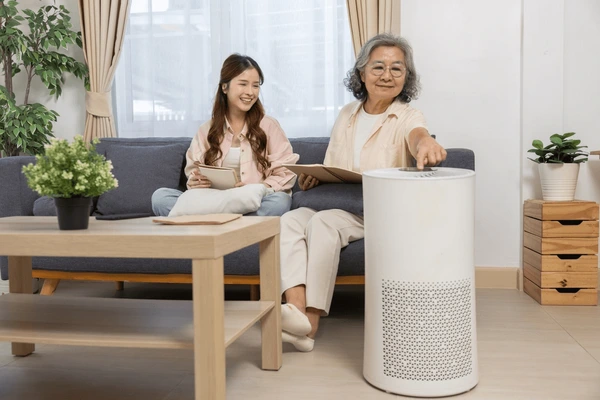
An air purifier can be useful in a small room, especially where dust, pollen, smoke, pet dander, or outdoor air concerns are part of daily life. But the purifier should match the room size and use a suitable filter. A HEPA-style purifier may help capture particles, while activated carbon can help with some odors. Parents should avoid ozone-generating air cleaners. The EPA warns that ozone can be harmful to health and that ozone generators sold as air cleaners are not recommended for occupied spaces. Parents can review the EPA’s ozone generator warning for more information.
Place the purifier where air can circulate around it, not buried behind furniture or curtains. Keep cords out of the baby’s reach. Change filters according to the manufacturer’s schedule. A purifier with a dirty filter or poor placement will not work as well. Air purifiers can support cleaner air, but they do not replace dust control, moisture repair, safe cleaning, or smoke avoidance.
Keep Smoke Away From the Baby’s Space
Smoke is one of the most important air quality concerns. Cigarette smoke, cannabis smoke, incense smoke, candle smoke, cooking smoke, and smoke drifting from other apartments can all affect indoor air. Babies should be kept away from smoke exposure. If smoke enters from hallways, neighbors, windows, or building systems, parents may need to seal gaps, use ventilation strategically, talk to building management, or use filtration.
Do not smoke or vape inside the home or near baby areas. Smoke particles can settle on clothing, furniture, rugs, and walls. If a caregiver smokes outside, changing outer layers and washing hands before holding the baby can reduce residue transfer. In a small room, smoke lingers quickly, so prevention matters more than trying to cover the smell afterward.
Reduce Shoe and Stroller Dust
NYC and NJ families often bring outdoor dust inside through shoes, stroller wheels, bags, and hallway traffic. A no-shoes routine can help reduce what enters the baby’s room. Keep shoes near the door, use a washable entry mat, and avoid rolling dirty stroller wheels through the baby’s play area if possible. Wipe stroller wheels when they are visibly dirty, especially after rain, construction zones, or subway travel.
This is especially useful in small apartments where the entryway may be close to the living room or nursery corner. Dust travels fast when the home is compact. A simple entryway routine can reduce how often parents need to deep clean the baby’s floor area.
Wash Baby Textiles Regularly
Baby textiles collect dust, milk residue, spit-up, skin flakes, and household particles. Wash crib sheets, sleep sacks, burp cloths, washable play mats, towels, and baby clothes regularly. Store clean items in drawers or closed bins rather than open shelves near windows or radiators. If textiles smell musty after storage, wash them before use and check the storage area for moisture.
Do not overload the baby’s sleep space with extra blankets or plush items. Clean textiles are helpful when they are used appropriately, but too many soft items can create both clutter and dust. Small rooms stay cleaner when fabrics are limited to what is actually needed and washed often.
Think About Pets and Baby Zones
Pets can add dander, hair, litter dust, and outdoor particles to a small room. Families do not need to remove pets from the home, but they may need boundaries. Keep pet beds, litter boxes, food bowls, and heavily used pet blankets away from the baby’s sleep and play areas. Vacuum pet zones regularly and wash pet bedding. Use gates or closed doors if needed.
If the baby has breathing symptoms, skin irritation, or ongoing congestion, speak with a pediatrician. Allergens can come from many sources, and it is not always obvious what is causing symptoms. A cleaner baby zone can help reduce exposure while the family looks for patterns.
Keep Feeding Areas Clean and Separate
Feeding supplies should not sit uncovered in dusty rooms. Bottles, nipples, formula tools, pacifiers, and feeding utensils should be stored clean and protected from dust. In small apartments, feeding supplies may share space with kitchen counters, shelves, or rolling carts. A closed bin can help keep clean items separate from dust, cooking residue, and cleaning products.
Families preparing bottles or formula can review feeding and formula safety. Cleaner air and cleaner surfaces work together. A dusty room can quickly make feeding supplies harder to keep organized, especially when counter space is limited.
Watch for Building-Related Air Issues
Small NYC and NJ rooms may be affected by building conditions outside the family’s direct control. Hallway odors, pest treatments, neighbor smoke, renovation dust, water leaks, basement dampness, old paint, and poor ventilation can all influence indoor air. Parents should document recurring issues with photos, dates, and notes. Renters may need to contact a landlord or building management. Owners may need a contractor or qualified professional to address the source.
If the issue involves peeling paint, renovation dust, suspected mold, or chemical odors, keep the baby away from the affected area until it is addressed. Do not place a crib or play mat near damaged walls, damp corners, or strong odors. Families can review product safety recalls too, because some air-related products, humidifiers, monitors, or nursery devices may have safety concerns over time.
Create a Daily Fresh-Air Reset
A daily air-quality reset can be simple. Open windows briefly when outdoor conditions are safe and reasonable. Make the bed but keep the baby’s sleep space clear. Wet-wipe dusty surfaces. Run the purifier if used. Remove trash. Keep laundry from piling up near the crib. Check for damp areas. Put cleaning products away. Keep the floor clear where the baby plays.
This routine does not need to take long. The goal is consistency. Small rooms respond well to small daily habits because there is less space to manage. A few minutes each day can prevent odors, dust, and clutter from building up into a bigger problem.
The Bottom Line
Improving air quality in small NYC and NJ rooms is about reducing sources, not masking them. Control dust, keep the sleep space simple, ventilate safely, manage moisture, avoid strong fragrances, clean with care, use air purifiers wisely, keep smoke away, and protect feeding supplies from dust. A small room can feel fresher and safer when parents focus on the habits that matter most.
Families do not need a perfect apartment to support better air quality. They need a practical routine that fits the room: clean surfaces, fewer fabric dust traps, safe moisture control, and attention to building-related issues. With steady habits and thoughtful layout choices, even a tight city room can become a cleaner, calmer space for a baby to sleep, feed, and grow.