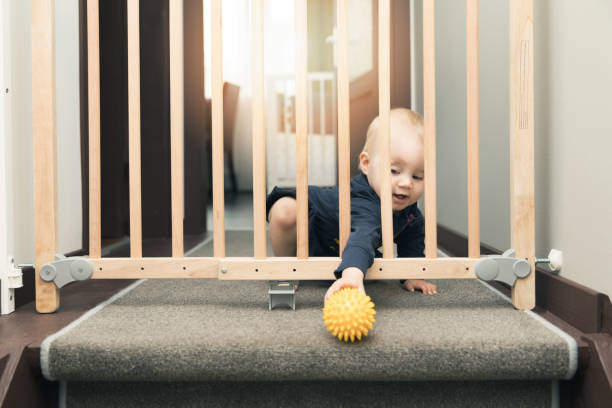
Baby-proofing a small apartment can feel tricky because every safety product seems to take up more space. Parents may already be sharing a bedroom with the baby, storing a stroller near the door, keeping feeding supplies in a small kitchen, and using the living room as a play area. Adding bulky gates, bins, locks, mats, and guards can make the apartment feel crowded fast. But baby-proofing does not have to turn a small home into a maze of plastic gear. The best small-apartment safety plan is simple, focused, and designed around the real ways a baby moves through the space.
The goal is not to cover every inch of the apartment with products. The goal is to remove the biggest hazards, block access to unsafe zones, secure heavy items, reduce choking risks, protect sleep spaces, and make daily routines safer. A small apartment can actually be easier to baby-proof because there are fewer rooms to manage. The challenge is choosing smart solutions that protect the baby without creating piles of extra stuff. Families can begin with home safety basics and then adjust the plan to fit their exact layout, storage limits, and baby’s stage.
Start With a Floor-Level Safety Walk
The first step is not buying products. It is getting down to the baby’s level and looking at the apartment the way a crawler or early walker will see it. Sit on the floor in the living room, bedroom, kitchen doorway, and hallway. Notice what is within reach: cords, outlets, small objects, low drawers, sharp corners, loose rugs, pet bowls, floor plants, baskets, shoes, coins, remote controls, and cleaning products. Small apartments often have more items stored low because there is less cabinet and closet space, so floor-level hazards can appear quickly.
Make a short list by room or zone. In a small apartment, zones may matter more than rooms: sleep zone, play zone, feeding zone, bathroom zone, kitchen zone, and entryway. This keeps baby-proofing focused. Instead of trying to redesign the whole home at once, parents can ask, “Where will the baby spend the most time?” and “What can the baby reach from the floor?” A focused safety walk helps prevent clutter because parents buy only what solves a real hazard.
Create One Main Safe Play Zone
In a small apartment, it is often more practical to create one strong safe play zone than to baby-proof every corner equally. This may be a section of the living room, a bedroom corner, or a soft floor area near where parents spend time. The safe zone should be free of small objects, loose cords, unstable furniture, breakable items, pet supplies, and anything the baby can pull down. It should be easy to supervise and easy to reset each day.
A safe play zone does not need to be large. Babies need room to roll, sit, crawl, reach, and explore, but they do not need the whole apartment at once. A washable mat, a few safe toys, and a clear floor area may be enough. Toy rotation can help keep the space interesting without filling it with bins. Families living in dense housing or city apartments can review urban baby safety ideas for practical ways to balance exploration with limited space.
Anchor Furniture Before the Baby Climbs
Furniture anchoring is one of the most important baby-proofing steps, especially in small apartments where dressers, bookshelves, TV stands, and storage units may be packed into tight rooms. Babies and toddlers pull up, climb, grab drawers, and use shelves as support. A piece of furniture that seems stable to an adult may tip if a child pulls on it or opens drawers. The U.S. Consumer Product Safety Commission warns that furniture, TVs, and appliances can tip over and injure children, and its childproofing safety guide recommends using anchors to help prevent tip-overs.
Anchoring is not clutter. It is hidden safety. A good anti-tip kit or wall anchor usually takes up no usable space once installed. Parents should secure dressers, bookshelves, TV stands, storage cabinets, and any furniture the baby may pull on. Heavy items should not be placed on top of furniture where they can fall. Drawers should not be left open because they can become steps. In a small apartment, where furniture is often multifunctional, anchoring should happen early instead of waiting until the baby starts climbing.
Use Cabinet Locks Only Where They Matter
Cabinet locks can be helpful, but parents do not need to lock every drawer in the apartment. Lock the cabinets that contain cleaning products, medicines, sharp tools, breakable items, plastic bags, batteries, or choking hazards. If a low drawer contains only clean towels or safe kitchen containers, it may not need a lock. Selective locking reduces clutter and daily frustration.
Small apartments benefit from rearranging before buying. Move unsafe items higher, place baby-safe items in lower drawers, and use cabinet locks where relocation is not enough. This keeps baby-proofing practical. If every cabinet requires two hands and extra effort, parents may stop using the safety system correctly. A good small-apartment setup protects the dangerous areas while allowing the home to function.
Handle Cords Before They Become Toys
Cords are easy to overlook because adults stop noticing them. Babies notice them immediately. Lamp cords, phone chargers, monitor cords, appliance cords, window blind cords, and power strips can attract crawling babies. In a small apartment, cords may run behind furniture, across corners, or near outlets because there are fewer ideal places to plug things in.
Use cord shorteners, cord covers, furniture placement, and high cable routing to keep cords out of reach. Power strips should not sit exposed on the floor where a baby can pull plugs or chew cords. Window covering cords should be kept inaccessible. Move chargers when not in use. This is a low-clutter safety step because it often involves organizing what is already there rather than buying large products.
Keep the Sleep Area Simple
Baby-proofing includes the sleep space. A small apartment may require a crib or bassinet in the parents’ bedroom, near storage, or beside other furniture. The sleep area should still stay clear and safe. The American Academy of Pediatrics recommends that babies sleep on their backs on a firm, flat surface, without loose blankets, pillows, bumpers, stuffed toys, or other soft objects. Parents can review the AAP’s official safe sleep guidance for more detail.
A safe sleep setup is naturally minimalist. A firm mattress, fitted sheet, and properly assembled crib, bassinet, or play yard are usually the core items. Avoid placing the crib near cords, curtains, shelves, framed art, unstable furniture, or anything the baby can pull into the sleep space. Families can review safe sleep guidance when arranging a small bedroom. Keeping the sleep area simple protects the baby and prevents the nursery corner from becoming cluttered.
Think Carefully About Gates
Baby gates can be useful, but in a small apartment, too many gates can make movement annoying and create clutter. Use gates where they solve a real access problem: stairs, kitchen entrances, bathroom entrances, or a no-go room. If the apartment has no stairs, parents may not need multiple gates. A closed door may work better than a gate for bathrooms, laundry areas, closets, or storage rooms.
The American Academy of Pediatrics’ HealthyChildren.org home safety guidance recommends safety gates at both the top and bottom of stairs when children are learning to crawl and walk, and it advises avoiding accordion-style gates. Its home safety tips for families explain that gates should be firmly mounted where needed. In small homes, pressure-mounted gates may work for some low-risk doorways, but hardware-mounted gates are generally preferred at the top of stairs. Parents should follow the gate manufacturer’s instructions carefully.
Reduce Choking Hazards Daily
Small apartments often collect small objects in shared areas: coins near the door, hair ties on a table, bottle caps, pen caps, toy pieces, screws, snack bits, beads, batteries, and small magnets. Choking hazards are not solved once. They require a daily reset. A baby who could not reach something last week may reach it today. A toddler may find something under the couch that adults missed.
Use a small “danger basket” for adults to collect loose items quickly at the end of the day. Keep bags, purses, backpacks, and older children’s toys off the floor. Pay special attention to button batteries and magnets because they can be especially dangerous if swallowed. The goal is not to make the apartment empty. The goal is to keep small hazards out of baby reach through simple routines.
Make the Kitchen a Controlled Zone
The kitchen is often the most difficult area to baby-proof in a small apartment. It may contain sharp tools, hot surfaces, cleaning products, glass, trash, plastic bags, and small items. If the kitchen is open to the living area, parents may need a gate, cabinet locks, stove knob covers, or simply a clear rule that the baby is not on the kitchen floor during cooking. If the kitchen has a door, keeping it closed may be the simplest solution.
Move knives, cleaners, dishwasher pods, plastic wrap, foil cutters, small appliances, and breakable items out of reach. Keep hot drinks and pot handles away from edges. Avoid holding a baby while cooking over heat. Feeding supplies should be stored safely too. Families who prepare bottles or formula can review feeding and formula safety guidance so the kitchen supports both food safety and child safety.
Baby-Proof the Bathroom Without Filling It With Gear
Bathrooms are small but high-risk because of water, slippery surfaces, medicines, cosmetics, cleaning products, razors, trash, toilet access, and hot water. The simplest baby-proofing step is keeping the bathroom door closed when not in use. Add cabinet locks if medicines or cleaners are stored low. Keep razors, cosmetics, nail tools, and small caps out of reach. Use a non-slip bath mat where appropriate and never leave a baby unattended in or near water.
Bath safety should be simple and strict. Gather supplies before starting, keep one hand on the baby during bathing, and empty water immediately afterward. A toilet lock may be useful for crawling babies and toddlers who can access the bathroom. Families can review bath and hygiene safety guidance to keep bathroom routines practical without overcrowding the space with unnecessary products.
Use Outlet Covers Thoughtfully
Outlet protection is often one of the first things parents think about. In a small apartment, outlets may be low, exposed, or placed behind furniture. Use outlet covers or sliding outlet plates where the baby can access outlets. For frequently used outlets, sliding plates may be less annoying than removable plugs that can become choking hazards if left loose. Parents should also avoid overloaded outlets and exposed power strips.
Outlet safety works best with cord management. Covering an outlet while leaving a dangling cord nearby does not solve the full problem. Move furniture if needed, secure cords, and keep chargers unplugged when not in use. This kind of safety step is small, inexpensive, and low clutter when done carefully.
Choose Fewer, Better Safety Products
One reason baby-proofing becomes cluttered is that parents buy a product for every possible hazard before knowing the apartment’s real risks. A better approach is to choose fewer, better safety products: furniture anchors, cabinet locks for dangerous cabinets, outlet protection, a gate where needed, cord management, non-slip bath support, and safe storage. These products solve common risks without filling the home with unused gadgets.
Before buying a safety product, ask three questions: What risk does this solve? Where will it be installed? Will we use it correctly every day? If the answer is unclear, wait. Baby-proofing should be practical, not decorative. Parents should also check product recalls before using secondhand or inherited safety gear through the site’s product safety recalls resources.
Keep Emergency Items Accessible to Adults
Baby-proofing should keep dangerous items away from babies without making them impossible for adults to access. A first-aid kit, thermometer, emergency numbers, medications for adults, and important documents should be stored safely but not buried under clutter. Medicines should be locked or stored high, but caregivers should know exactly where they are. The same is true for cleaning products and tools.
Small apartments can become messy quickly, so emergency organization matters. Keep adult-only items in one high or locked area. Keep baby-safe daily items in reachable spots. Avoid mixing medicines, cosmetics, batteries, and baby supplies in the same drawer. Clear categories reduce mistakes during tired moments.
Reset the Apartment Every Night
Small-apartment baby-proofing works best as a daily habit. At night, parents can do a quick reset: pick up small objects, move cords, close bathroom and kitchen doors, return cleaning products to locked storage, clear the play area, and check that furniture drawers are closed. This takes only a few minutes when the system is simple.
Babies change quickly. A baby who only rolled yesterday may crawl tomorrow. A baby who crawls today may pull up soon. A nightly reset keeps the home ready for the next stage. It also prevents baby-proofing from becoming a one-time project that slowly falls apart as daily life gets busy.
The Bottom Line
Baby-proofing a small apartment without clutter is about choosing focused safety steps instead of buying every product available. Start from the floor, create one strong safe play zone, anchor furniture, secure dangerous cabinets, manage cords, protect the sleep area, use gates only where needed, reduce choking hazards daily, and keep kitchens and bathrooms controlled. Small spaces need smarter systems, not more stuff.
A safe apartment does not have to look empty or covered in gear. It should be simple to supervise, easy to reset, and arranged around the way the baby actually explores. When parents focus on the biggest risks first, they can protect their child while keeping the home livable, calm, and uncluttered.