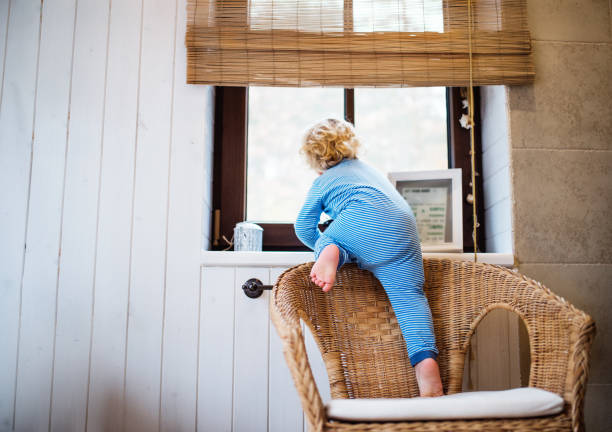
Manhattan families often love older buildings for their character, location, tall windows, prewar details, solid walls, and neighborhood history. But older buildings can also bring safety questions that parents should not ignore, especially when a baby is joining the home. A beautiful apartment can still have peeling paint near a window, old radiator covers, loose cords, worn flooring, aging plumbing, hard-to-secure furniture, or renovation materials that need careful handling. The goal is not to fear older buildings. The goal is to understand the hazards that matter most and reduce risks in practical, family-friendly ways.
Older building safety is different from general baby-proofing because some hazards are hidden or connected to the building itself. A parent can move small objects off the floor, but they may not be able to see what paint layers exist under the surface. They can anchor furniture, but they may need landlord approval or special hardware for certain walls. They can keep a baby away from radiators, but the heating system may still shape the room layout. Manhattan parents need a safety plan that combines everyday baby-proofing with older-building awareness. Families can start with home safety basics and then focus on the details that older apartments often require.
Lead Paint Is One of the Biggest Older-Building Concerns
Lead paint is one of the most important hazards for parents in older Manhattan buildings. NYC Health notes that more than half of New York City residential buildings were built before lead paint was banned in 1960, and many older buildings may still have lead paint on walls, windows, doors, and other surfaces. The city advises parents to keep children away from peeling or damaged paint, clean dust with wet wiping, and report peeling paint to property owners. Parents can read NYC Health’s official lead poisoning prevention guidance for more details.
Lead paint becomes especially concerning when it is peeling, chipping, cracking, or turning into dust. Window sills and friction surfaces like doors and window frames can be common problem areas because movement can create dust. Babies and toddlers explore with their hands and mouths, so dust on floors, toys, and window areas matters. Parents should not sand, scrape, or disturb suspected lead paint themselves. If peeling paint appears, the safer step is to keep the child away from the area and report it for proper repair.
Window Areas Need Extra Attention
Older Manhattan apartments often have large windows, deep sills, radiators beneath windows, older blinds, or heavy curtains. Window areas can become a hazard in several ways. Peeling paint may collect on sills. Blind or curtain cords can be reachable. Furniture near windows can become a climbing route as the baby grows. Screens can keep insects out, but they should not be trusted as fall protection.
Parents should keep cribs, bassinets, changing areas, chairs, and climbable furniture away from windows whenever possible. Window cords should be removed, replaced with cordless options, or secured far out of reach. Keep toys and attractive objects away from window sills so children are not encouraged to climb. Even if the baby is a newborn now, the room layout should account for crawling, pulling up, and climbing later. A safe layout grows with the child.
Radiators and Heating Pipes Can Affect Room Layout
Many older Manhattan apartments use radiators or exposed heating pipes. These can become hot and may limit where parents place a crib, bassinet, play mat, or changing area. A newborn cannot crawl toward a radiator yet, but room layout should be planned before the baby becomes mobile. Avoid placing a sleep space directly beside a radiator, heating pipe, or any heat source. Heat can also affect comfort and overheating risk during sleep.
Parents can use radiator covers if they are safe, stable, properly installed, and allow heat to circulate correctly. They should avoid using radiators as shelves for baby items, towels, bottles, or blankets. Anything placed near heat can become a burn risk, fire risk, or clutter problem. The baby’s sleep area should stay clear, cool enough, and away from direct heat. Families can review safe sleep guidance when deciding where to place the crib or bassinet in a room with radiators.
Old Floors Can Hide Small Hazards
Older hardwood floors, gaps between boards, cracked tiles, worn thresholds, and uneven transitions can collect dust, paint chips, food crumbs, splinters, or tiny objects. Once a baby begins rolling or crawling, the floor becomes the baby’s world. Parents should inspect floors carefully at baby level, especially near windows, doors, baseboards, and under radiators. A floor can look clean from standing height and still hold small hazards near edges and corners.
Wet cleaning is usually better than dry sweeping when lead dust may be a concern, because dry sweeping can spread dust. Use washable mats or rugs only if they do not create tripping hazards and can be cleaned regularly. Avoid old rugs that shed fibers, smell musty, or cannot be cleaned well. In a small Manhattan apartment, a clear and washable play area can make daily safety easier.
Asbestos Should Not Be Disturbed
Some older buildings may contain asbestos in certain materials, such as old insulation, floor tiles, pipe coverings, textured materials, or other building products. The EPA explains that asbestos-containing material may not present a risk if it is in good condition and not disturbed, but exposure risk increases when asbestos fibers are released into the air. Parents can review the EPA’s official learn about asbestos resource for general background.
The key message for parents is simple: do not disturb suspicious older materials. Do not sand, drill, scrape, remove old tiles, tear out insulation, or start renovation work without proper evaluation. If a material is damaged, crumbling, or likely to be disturbed, talk to the landlord, building management, or a qualified professional. Parents should keep babies away from renovation dust and should not treat old-building repairs as DIY projects when hazardous materials may be involved.
Renovation Dust Can Be a Serious Concern
Manhattan apartments are often renovated in stages. A kitchen may be updated while original trim remains. A bathroom may be replaced while old plaster walls stay. A neighbor’s renovation can also affect shared hallways or dust levels. Renovation dust in older buildings deserves caution because it may involve lead paint dust, plaster dust, asbestos concerns, or other irritants. Babies breathe close to floors and put hands in their mouths, so dust control matters.
Parents should keep babies away from renovation areas, seal off work zones when appropriate, and ask about safe work practices if building repairs are happening. If a landlord or contractor is disturbing painted surfaces in an older unit, parents should ask how dust will be contained and cleaned. Never let a baby crawl near fresh renovation dust, open debris bags, sanding areas, or paint chips. A clean-looking finished surface does not mean the work area was safe during the process.
Furniture Must Be Anchored, Even in Rentals
Older Manhattan apartments often require creative storage because closets may be small. Families may use tall dressers, bookshelves, wardrobes, storage cubes, or wall-mounted shelving. These items can create tip-over hazards as babies become mobile. The U.S. Consumer Product Safety Commission’s Anchor It campaign focuses on preventing furniture and TV tip-overs that can seriously injure children. Parents can review CPSC’s Anchor It safety information for practical guidance.
Renters sometimes hesitate to anchor furniture because they do not want to damage walls. But tip-over prevention is a major safety issue. Parents can ask landlords about approved anchoring methods and use appropriate hardware for the wall type. Heavy furniture should be secured, drawers should not be left open, and TVs should not sit unsecured on furniture. Anchoring is one of the least cluttered safety upgrades because it does not take floor space, but it can significantly improve the safety of a child’s room.
Old Doors, Closets, and Hardware Need a Check
Older buildings may have heavy doors, loose knobs, sticking closet doors, sharp hinges, old locks, or hardware that can pinch small fingers. Parents should inspect doors at baby level. A door that closes quickly may need a stopper. A closet with cleaning supplies may need a child-resistant lock. A loose knob or old metal hardware may need repair. Doors that lead to stairwells, fire escapes, storage rooms, or building hallways should stay secure.
Parents should also check whether closet shelves are stable and whether items could fall when doors open. Older closets sometimes become crowded because apartment storage is limited. Keep heavy items low but not accessible to the baby, and keep hazardous items high or locked. Avoid stacking boxes in a way that can tumble when a child pulls on a lower item.
Plumbing and Water Temperature Can Matter
Older buildings may have plumbing quirks: slow hot water changes, sudden temperature shifts, old fixtures, rusty-looking water, or pipes that make noise. For baby safety, water temperature matters most during bathing and handwashing. Parents should test bath water before placing the baby in it and never leave a baby alone near water. If the water temperature changes suddenly or feels difficult to control, extra caution is needed.
Families can use bath and hygiene safety guidance to create a safer routine. In older apartments, parents may also want to ask building management about recurring leaks, mold, water damage, or hot water problems. Bath safety is not only about the baby tub. It is also about the room, the water source, the floor surface, and adult supervision.
Moisture, Mold, and Ventilation Need Attention
Older buildings may have limited ventilation, old windows, bathroom moisture, radiator heat, or past leaks. Moisture can contribute to mold, musty smells, and damaged surfaces. Parents should pay attention to recurring dampness, bubbling paint, stains, musty odors, or visible mold. Babies can be sensitive to indoor air quality, and moisture problems should not be ignored.
Use bathroom fans if available, open windows safely when appropriate, report leaks quickly, and avoid placing the crib near damp walls or areas with peeling paint. Do not paint over mold or damaged surfaces without addressing the moisture source. If mold appears after a leak, building management may need to repair the underlying problem. Parents should keep baby items away from damp storage areas and avoid using musty rugs, old mattresses, or water-damaged furniture.
Fire Safety Is Different in Older Buildings
Older apartment buildings may have narrow hallways, older doors, fire escapes, radiators, window gates, or unique building layouts. Parents should know the safest exit route, keep pathways clear, and make sure smoke and carbon monoxide alarms are working. A stroller, diaper boxes, laundry baskets, or storage bins should not block exits. In tight apartments, clutter near doors can become a safety concern quickly.
Parents should also understand building rules around fire escapes and window gates. Fire escapes are not play spaces or storage areas. Window gates should meet local safety requirements and should not trap families in an emergency. Parents should ask building management if they are unsure how safety devices are supposed to function. The safest baby setup keeps exits clear and emergency paths simple.
Product Safety Still Matters in Older Apartments
Sometimes parents focus so much on the building that they overlook the products they bring into it. Older apartments often have limited space, so families may use hand-me-down cribs, compact bassinets, old high chairs, secondhand gates, or inherited baby gear. Every product should be checked for recalls, missing parts, and current safety standards. A vintage-looking item may be charming but unsafe for infant use.
Families can review product safety recalls before using secondhand or older baby gear. This is especially important for cribs, bassinets, play yards, strollers, high chairs, bath seats, and sleep-related products. A small apartment should not force families into using unsafe gear simply because it fits. Safety comes before size and style.
Kitchen and Cleaning Storage May Need Rearranging
Older Manhattan apartments often have small kitchens with limited cabinet space. Cleaning products, dishwasher pods, plastic bags, sharp tools, and glass items may end up stored low because there is nowhere else to put them. Once a baby starts crawling, this becomes a major concern. Parents should move hazardous items higher or lock the cabinets that contain them.
Feeding areas should also stay clean and organized. If formula is used, bottles and preparation areas should be kept separate from cleaning chemicals and unsafe items. Families can review feeding and formula safety to keep kitchen routines safer. In small older kitchens, the safest setup often comes from removing unnecessary items and creating one clean feeding-prep area.
Do a Monthly Older-Building Safety Reset
Older building hazards can change. Paint can begin peeling after a season of radiator heat. A leak can create new damage. A window cord can become reachable once the baby pulls up. A shelf can loosen. A radiator cover can shift. A baby who was once immobile may suddenly crawl toward an area that seemed safe before. A monthly safety reset helps parents catch these changes early.
During the reset, check windows, paint, floors, cords, furniture anchors, bathroom moisture, kitchen storage, doors, and the baby’s sleep area. Look for new peeling paint, dust, loose hardware, unstable furniture, and small objects near the floor. This habit takes only a short time but helps parents stay ahead of the baby’s development and the building’s aging features.
When to Ask for Help
Parents should ask for help when they see peeling paint, damaged surfaces, recurring leaks, suspected mold, unsafe windows, radiator issues, loose hardware, or renovation dust. Renters should report hazards to the landlord or building management in writing and keep records. If a child may have been exposed to lead, parents should speak with the child’s pediatrician about testing and next steps. For serious building hazards, families may need city agency guidance, professional inspection, or legal tenant support.
Families can also use the contact page to ask about infant safety topics or next steps for general guidance. Older buildings can be safe homes for babies, but safety often depends on noticing hazards early and responding properly.
The Bottom Line for Manhattan Parents
Older Manhattan buildings can be wonderful family homes, but they require careful safety awareness. Lead paint, window hazards, radiators, renovation dust, asbestos concerns, old flooring, moisture, furniture tip-over risks, and limited storage can all affect baby safety. Parents do not need to panic, and they do not need to move out of every older apartment. They need to identify the hazards that matter, avoid disturbing questionable materials, keep the baby away from peeling paint and dust, anchor furniture, manage cords, and maintain a clear, safe sleep space.
The safest approach is practical and ongoing. Inspect the apartment at baby level, report building hazards, keep routines simple, and update the safety plan as the baby grows. A Manhattan apartment does not have to be new to be safe. It has to be managed thoughtfully, cleaned carefully, and arranged around the real risks that older buildings can bring.