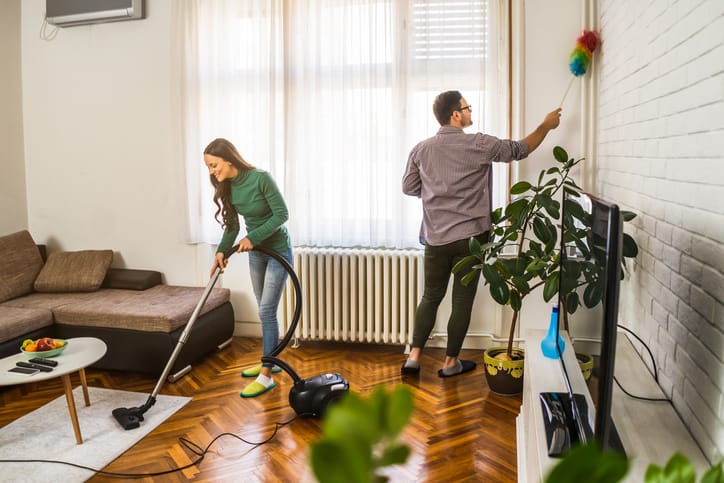
Prewar apartments can be beautiful places to raise a baby. High ceilings, thick walls, original moldings, hardwood floors, large windows, and old building character can make a home feel warm and established. But older apartments can also collect dust in ways newer spaces may not. Window tracks, radiators, baseboards, floor gaps, old closets, layered paint, heavy curtains, and aging ventilation can all hold dust, pollen, pet dander, mold particles, and other indoor irritants. For families with infants, reducing dust and allergens is not about making the apartment perfect. It is about creating cleaner routines in the places where the baby sleeps, plays, feeds, and breathes every day.
Babies spend a lot of time close to floors, fabrics, and caregiver clothing. As they grow, they roll, crawl, grab, and put hands in their mouths. That makes dust control especially important in older apartments. The good news is that families do not need to buy a room full of gadgets to improve the situation. A safer approach starts with focused cleaning, simpler room layouts, careful product choices, moisture control, and regular checks for older-building hazards. Parents can begin with home safety basics and then adjust the routine to match the realities of a prewar apartment.
Understand Why Prewar Apartments Collect Dust
Prewar apartments often have architectural details that collect dust easily. Window sills may be deep. Radiators may have hard-to-reach fins or covers. Baseboards may have grooves. Floors may have gaps between boards. Closets may be old and poorly ventilated. Steam heat can make air feel dry during winter, while older windows may let in outdoor pollen or city dust. These features do not make the apartment unsafe by themselves, but they do mean cleaning has to be more intentional.
Instead of treating dust as a simple housekeeping issue, parents can think of it as part of infant safety. Dust can carry allergens and irritants, and in older buildings it may also mix with particles from aging paint or renovation residue. A baby’s play mat, crib area, and feeding space should be kept as clean and uncluttered as possible. When parents reduce the number of dust-collecting items near the baby, cleaning becomes much easier.
Use Damp Cleaning Instead of Dry Dusting
Dry dusting can make a surface look clean while sending fine particles into the air. In older apartments, damp cleaning is usually more practical. A lightly damp microfiber cloth can trap dust from window sills, baseboards, shelves, and furniture instead of spreading it around. Damp mopping can also help remove dust from floors, especially in rooms where the baby spends time.
The Environmental Protection Agency recommends controlling dust and cleaning floors and window sills as part of reducing exposure to lead hazards in older homes. Parents can review the EPA’s official Protect Your Family from Sources of Lead resource for broader older-home guidance. Families should not sand, scrape, or disturb old paint themselves. If paint is peeling, chipping, or creating dust, that should be handled properly through the landlord, building management, or qualified professionals.
Pay Special Attention to Window Areas
Windows are one of the most important dust zones in prewar apartments. Old paint, outdoor dust, pollen, condensation, and friction from opening and closing windows can all contribute to buildup. Babies should not play near dusty window tracks or peeling window sills. Cribs, bassinets, and play mats should be kept away from windows when possible, especially if there are cords, curtains, radiators, or damaged paint nearby.
Parents can clean window sills and tracks with damp cloths and dispose of cleaning materials carefully. If there is peeling paint, do not scrape it. Keep the baby away and report it. Families can also review urban baby safety guidance when arranging furniture near windows, radiators, and apartment entry points. Window areas often look harmless, but they can become some of the dustiest parts of an older apartment.
Keep the Baby’s Sleep Space Simple
A baby’s sleep area should be one of the cleanest and simplest places in the apartment. Extra pillows, loose blankets, stuffed animals, decorative cushions, crib bumpers, and fabric canopies can collect dust and are not safe for infant sleep. The American Academy of Pediatrics recommends a firm, flat sleep surface with no soft objects or loose bedding in the baby’s sleep area. Parents can review the AAP’s official safe sleep guidance for clear recommendations.
This safe sleep advice also helps with allergen reduction. A bare, firm sleep surface with a fitted sheet is easier to keep clean than a decorated crib. Wash crib sheets regularly, keep the sleep area away from windows and radiators, and avoid storing extra blankets or toys inside the crib. Families can use safe sleep guidance to set up a cleaner, safer sleep space without adding unnecessary dust collectors.
Reduce Fabric Clutter
Fabric holds dust, pet dander, pollen, and odors. In prewar apartments, heavy curtains, old rugs, upholstered furniture, decorative pillows, fabric storage bins, and plush toys can all make cleaning harder. Parents do not need to remove every soft item, but they should be selective. The fewer washable fabrics near the baby, the easier it is to maintain a cleaner environment.
Choose washable rugs or play mats when possible. Wash baby blankets, sheets, and soft items regularly. Avoid storing piles of fabric near radiators, windows, or the crib. If heavy curtains are difficult to clean, consider simpler window treatments that can be wiped or washed. For babies who are not yet mobile, it may be tempting to keep soft items around for comfort and decor, but a simpler setup usually supports both safety and cleanliness.
Vacuum With the Right Strategy
Vacuuming can help reduce dust and allergens, but the strategy matters. A vacuum with a HEPA filter can be useful for trapping fine particles, especially if there are rugs, pets, or older flooring. Vacuum slowly and focus on edges, corners, under furniture, entryways, and play areas. If the vacuum releases dust or smells musty, it may need cleaning, filter replacement, or maintenance.
Families should avoid vacuuming while the baby is lying nearby if the vacuum stirs up dust or is very loud. It may be better to vacuum when another adult can take the baby to another room or when the baby is safely away from the immediate area. After vacuuming, damp mop hard floors if needed. A combined routine of vacuuming and damp cleaning is often more effective than either one alone.
Control Entryway Dust
City apartments bring in dust from hallways, sidewalks, subways, strollers, shoes, and bags. The entryway can become a major source of indoor dirt. A simple no-shoes routine can reduce what gets tracked into the baby’s play area. Use a washable mat near the door, keep shoes in one defined spot, and avoid letting diaper bags, stroller wheels, or outdoor items spread across the living area.
This does not need to become complicated. A shoe basket, stroller wipe-down routine, and weekly entryway cleaning can make a noticeable difference. In small apartments, the entryway may be close to the baby’s play mat, so controlling dust at the door helps protect the rest of the home. The goal is to stop outdoor dust before it spreads.
Be Careful With Air Fresheners and Strong Scents
When an older apartment smells musty, dusty, or stale, it can be tempting to cover odors with candles, sprays, plug-ins, or heavy fragrances. But strong scents can add irritants instead of solving the source of the problem. For babies, simpler air is usually better. If there is a persistent odor, parents should look for the cause: dust, dampness, old rugs, trash, cooking residue, mold, or poor ventilation.
Use fragrance-free or low-scent cleaning products where possible, especially near baby sleep and play areas. Avoid spraying products around the baby. Ventilate safely when weather and window safety allow. If using an air purifier, choose one sized for the room and maintain the filter according to instructions. Air quality improvements work best when combined with dust reduction and moisture control, not when used as a replacement for cleaning.
Watch for Moisture and Mold
Dust and allergens are often worse when moisture problems exist. Prewar apartments may have old windows, bathroom ventilation issues, radiator leaks, roof leaks, or condensation. Mold can grow where moisture remains. Parents should watch for musty odors, bubbling paint, damp walls, black or green spots, recurring bathroom mildew, or soft areas near windows and pipes.
The CDC explains that mold can cause symptoms such as stuffy nose, wheezing, red or itchy eyes, or skin irritation in some people, and that mold should be removed and moisture controlled. Parents can review the CDC’s official mold health information for general guidance. If mold is recurring or connected to leaks, simply wiping the surface may not solve the issue. The moisture source needs attention from the landlord, building management, or a qualified professional.
Clean Radiators and Covers Carefully
Radiators are common dust traps in prewar apartments. Dust can collect behind them, underneath them, and inside radiator covers. When heat turns on, dust may circulate or create odors. Parents should clean around radiators before heating season and continue light maintenance throughout winter. Use a damp cloth for accessible surfaces and a vacuum attachment for safe, reachable gaps.
Do not place baby blankets, toys, bottles, wipes, or clothing on radiators. Keep baby sleep spaces and play mats away from direct heat. If radiator paint is damaged or the cover is unstable, address it before the baby becomes mobile. A clean radiator area supports both air quality and burn prevention as the baby grows.
Keep Feeding Areas Clean and Separate
Feeding areas should stay clean and easy to wipe. Whether the baby is breastfed, bottle-fed, formula-fed, or starting solids later, surfaces used for feeding supplies should be separate from dusty windowsills, cleaning products, shoes, and pet areas. In small prewar kitchens, counter space may be limited, so parents may need one dedicated tray, shelf, or bin for bottles and feeding tools.
Families preparing bottles or formula can review feeding and formula safety for practical routines. Dust reduction matters here because bottles, nipples, caps, and formula tools should not sit uncovered in dusty or high-traffic areas. A closed bin for clean feeding supplies can be useful in apartments where kitchen surfaces are shared or limited.
Wash Baby Textiles Regularly
Baby textiles collect dust, spit-up, milk residue, skin flakes, and household particles. Wash crib sheets, swaddles, sleep sacks, burp cloths, washable play mats, and baby towels regularly. Use a detergent that works for the baby’s skin and rinse items well. Avoid letting clean baby laundry sit uncovered near dusty windows, radiators, or entryways.
Parents should also be careful with hand-me-down textiles. Older blankets, stuffed toys, or fabric nursery items may carry dust, fragrance, pet dander, or storage odors. Wash what can be washed and avoid using items that smell musty or shed fibers. For infant sleep, remember that many soft items do not belong in the sleep space even if they are clean.
Reduce Pet Dander in Baby Zones
Pets can be part of the family, but pet dander can add to indoor allergens. In a small apartment, dander spreads quickly. Create baby zones where pets do not sleep or shed heavily, especially around the crib, bassinet, play mat, and feeding supplies. Wash pet bedding regularly, vacuum pet areas often, and keep litter boxes, food bowls, and pet toys away from baby play spaces.
Parents do not need to remove pets from the home to improve baby zones. They can use boundaries, cleaning routines, and washable surfaces. If a baby has symptoms that concern parents, they should speak with a pediatrician. Dust and allergens can have many sources, and a professional can help determine whether symptoms need medical evaluation.
Avoid Renovation Dust Around Babies
Renovation dust in prewar apartments deserves extra caution. Sanding, drilling, scraping, floor refinishing, tile removal, and wall repairs can disturb old materials. Babies should be kept away from renovation areas, dust, debris, and open work zones. If the work involves paint, plaster, old flooring, insulation, or possible hazardous materials, parents should ask how the area will be contained and cleaned.
Do not let the baby crawl on floors after dusty work until proper cleaning has been completed. Avoid DIY sanding or scraping older painted surfaces. If a contractor or landlord is doing work, ask about dust control, ventilation, and cleanup. Families should also check whether any baby products used after renovation have been exposed to dust and wash or wipe them before use.
Use Storage That Does Not Collect Dust
Open baskets and shelves can look nice, but they may collect dust quickly in older apartments. Closed bins, drawers, and washable containers often work better for baby supplies. Store diapers, wipes, clean clothes, bottles, and small baby items in covered or enclosed spaces when possible. Avoid keeping supplies on windowsills, floors, or radiator covers.
Simple storage also reduces cleaning time. If every baby item is displayed openly, every item becomes a dusting task. A few closed bins can keep the apartment calmer and cleaner. This is especially useful in small spaces where baby supplies share rooms with adult belongings.
Check Product Safety While Reducing Clutter
When families declutter, they may bring in secondhand bins, old rugs, used nursery furniture, or hand-me-down gear. Every product should still be checked for safety. Older baby items may have recalls, missing parts, damaged materials, or outdated safety designs. Reducing clutter should not mean using unsafe products just because they fit the space.
Parents can review product safety recalls before using secondhand gear in the baby’s room. This is especially important for sleep products, high chairs, strollers, gates, and bath items. A cleaner apartment should also be a safer apartment.
Create a Weekly Dust Reset
The easiest way to manage dust in a prewar apartment is to make it routine. A weekly reset might include damp wiping window sills, vacuuming edges and rugs, damp mopping play areas, washing baby textiles, cleaning the entryway, checking radiator areas, and removing clutter from baby zones. A quick daily reset can handle small objects, crumbs, shoes, and loose fabrics.
Parents do not need a perfect cleaning schedule. They need a rhythm that keeps the baby’s main spaces clean enough to use safely. If the whole apartment feels overwhelming, focus on the baby’s sleep area, play area, feeding area, and bathroom routine first. Those are the highest-use zones.
The Bottom Line
Reducing dust and allergens in a prewar apartment is about steady, practical habits. Use damp cleaning instead of dry dusting, pay attention to windows and radiators, simplify the baby’s sleep space, reduce fabric clutter, control entryway dust, watch for moisture, and keep feeding supplies covered and clean. Older apartments may need extra attention, but they can still be safe and comfortable homes for babies.
The goal is not to create a dust-free apartment. That is not realistic. The goal is to reduce the dust and allergens that collect where the baby sleeps, plays, and feeds. With a simple routine and careful attention to older-building details, parents can make a prewar apartment feel cleaner, safer, and easier to maintain.