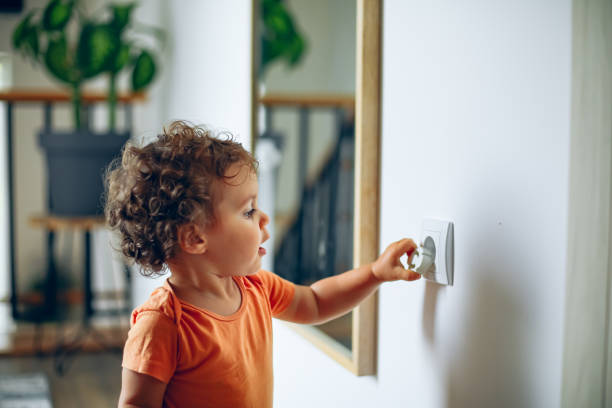
Older buildings can be wonderful family homes, especially in cities where prewar apartments, brownstones, townhouses, and older multifamily buildings are common. They often have character, strong walls, original details, and layouts that feel different from newer construction. But when a baby enters the home, older building features deserve a closer safety review. Electrical outlets, exposed cords, old wiring habits, radiator heat, steam pipes, window placement, and room layouts can all create hazards that parents may not notice before the baby starts rolling, crawling, pulling up, and grabbing.
The goal is not to panic about every older building. Many older homes can be safe for babies when families identify the real risks and take practical steps. Electrical and radiator safety is especially important because babies are naturally curious, and they explore with their hands and mouths. They may pull cords, touch outlets, crawl toward warm objects, grab radiator covers, or reach for plugs behind furniture. Parents can start with home safety basics and then focus carefully on the electrical and heating features that are common in older homes.
Start With a Baby-Level Electrical Walkthrough
The safest first step is to look at the room from the baby’s level. Sit on the floor and look around each area where the baby sleeps, plays, feeds, or gets changed. Notice low outlets, loose cords, power strips, chargers, lamps, extension cords, floor fans, space heaters, monitors, humidifiers, and appliance cords. Adults often stop seeing cords because they are part of daily life. Babies notice them quickly because cords are at eye level, easy to pull, and interesting to chew or grab.
Older buildings may have fewer outlets than modern homes, so families often rely on power strips or extension cords. That can create clutter and risk if cords run across floors, behind cribs, under rugs, or near play areas. The walkthrough should answer simple questions: What can the baby reach? What can be pulled down? What is plugged in near the crib or play mat? What cords cross a walking path? What outlets need covers? A safer room starts by removing what does not need to be there.
Protect Outlets Without Creating New Hazards
Outlet protection is one of the most common baby-proofing steps, but it should be done thoughtfully. Outlet covers or sliding outlet plates can help prevent babies from touching open sockets. In areas used often, sliding outlet covers may be easier than removable plastic plugs because loose plugs can become small objects if left on the floor. Whatever parents choose, the product should fit securely and be used consistently.
The U.S. Consumer Product Safety Commission includes outlet covers among common childproofing steps in its official childproofing your home guidance. Parents should also remember that covering the outlet is only part of the solution. If a baby can still pull a cord, chew a charger, or reach a power strip, the area is not fully addressed. Outlet safety works best when combined with cord control and smart furniture placement.
Be Careful With Power Strips and Extension Cords
Older apartments and homes often do not have enough outlets for modern life. Parents may use power strips for lamps, monitors, chargers, air purifiers, humidifiers, fans, or sound machines. But power strips should never become baby toys. Keep them off the floor when possible, away from cribs and play areas, and out of reach behind secured furniture. Avoid overloaded power strips and do not plug high-wattage appliances into extension cords unless the product instructions clearly allow safe use.
Extension cords should not run under rugs or across walking paths. Cords under rugs can become damaged without being noticed and can also create tripping hazards. A parent carrying a baby at night should not have to step over cords. In a small older apartment, it may take creativity to route cords safely, but it is worth the effort. Cord clips, cord covers, furniture placement, and unplugging unused items can make a major difference without adding bulky baby-proofing products.
Keep Baby Monitors and Cords Away From Cribs
Baby monitors are helpful, but their cords can be dangerous if they are too close to the crib, bassinet, or play yard. A monitor should never be placed inside the crib or attached where the baby can reach the cord. Even a newborn who cannot move much yet will grow quickly, and what seems unreachable now may become reachable later. Parents should follow the monitor manufacturer’s instructions for placement and keep cords secured well away from the sleep space.
This applies to sound machines, lamps, humidifiers, fans, cameras, chargers, and anything else with a cord. The baby’s sleep area should be simple and clear. Families can review safe sleep guidance when deciding where to place a crib or bassinet. A safe sleep layout is not only about blankets and pillows. It is also about keeping cords, shelves, windows, heaters, and electronics away from the baby’s reach.
Know When an Electrical Issue Needs a Professional
Some electrical concerns are not DIY baby-proofing projects. Flickering lights, warm outlets, buzzing sounds, burning smells, frequently tripped breakers, loose outlets, cracked plates, exposed wires, or outlets that spark should be handled by a qualified electrician or reported to the landlord or building management. Parents should not ignore these signs or cover them with furniture and hope they go away.
The National Fire Protection Association offers official electrical safety guidance, including reminders about damaged cords, overloaded outlets, and warning signs. In older buildings, electrical systems may have been updated in stages, and families may not know what is behind the walls. If something seems unsafe, professional review is better than guessing. Baby-proofing products cannot fix faulty wiring or damaged electrical hardware.
Avoid Space Heaters Near Baby Areas
Older buildings can have uneven heating. One room may feel too warm while another feels cold. Parents may think about using a space heater near the baby’s sleep area, but this needs extreme caution. Space heaters can create burn and fire risks, especially when placed near bedding, curtains, rugs, cords, or furniture. They should never be placed close to a crib, bassinet, or play mat. If used at all, they should follow all manufacturer instructions and be kept far from children and flammable materials.
In many cases, safer clothing layers and adjusting the room setup may be better than adding a portable heater. Babies should not sleep with loose blankets, so parents should use appropriate sleep clothing or wearable blankets designed for the baby’s size and stage. If the room temperature is difficult to manage, discuss concerns with the pediatrician and building management. Heating problems in older buildings should not be solved by creating new fire or burn hazards.
Understand Radiator Burn Risks
Radiators are common in older apartments, brownstones, and prewar buildings. Steam radiators, hot water radiators, and exposed pipes can become very hot. A newborn will not crawl toward a radiator, but babies grow quickly. A rolling baby becomes a crawling baby, and a crawling baby becomes a pull-up explorer. Parents should plan for radiator safety before mobility begins.
Keep cribs, bassinets, play mats, toy baskets, and feeding seats away from radiators and exposed heating pipes. Do not place baby blankets, towels, wipes, bottles, toys, or clothing on radiators. A radiator is not a shelf. Items can overheat, fall, dry out, or create clutter around a heat source. If a radiator is in a small bedroom, parents may need to rearrange furniture so there is a clear buffer between the baby and the heat.
Use Radiator Covers Carefully
Radiator covers can help reduce direct contact with hot surfaces, but they must be chosen and installed carefully. A cover should be stable, properly fitted, ventilated, and not easy for a child to pull over. It should not block heat in a way that creates building problems or makes the room heat unevenly. It also should not become a climbing structure or storage shelf. If the cover is loose, sharp, damaged, or unstable, it can become a different hazard.
Parents in rentals should talk to the landlord or building management before making changes to radiator covers or heating equipment. Families who own their home may want a qualified professional to evaluate cover options. The safest cover is one that reduces contact risk while still allowing the radiator to function properly. A decorative cover that wobbles, traps heat, or invites climbing is not a good safety solution.
Watch Exposed Pipes and Valves
Radiator safety is not only about the radiator itself. Exposed steam pipes, hot water pipes, valves, and metal fittings can also become hot. These are sometimes located beside radiators, near walls, in bathrooms, or along baseboards. A baby who is crawling may reach pipes that adults rarely touch. Parents should check all heating elements at baby level during cold weather when the system is active.
If exposed pipes become hot, create a buffer zone. Move furniture, play mats, and baby items away. Ask building management about safe covers if needed. Avoid wrapping pipes with random fabric, towels, or materials that are not designed for heat. Improvised covers can create fire concerns or interfere with heating. Use proper solutions only.
Keep the Crib Away From Heat Sources
A crib or bassinet should not be placed next to a radiator, heating pipe, space heater, or strong direct heat source. Babies can overheat, and heat can also dry out the immediate sleep area. The American Academy of Pediatrics advises against overheating and supports a simple, safe sleep environment. Parents can review the AAP’s official safe sleep recommendations when planning room layout.
In older buildings, the warmest wall may also seem like the only open wall. Still, parents should prioritize safe placement over furniture symmetry. If the crib cannot be moved far enough from a radiator, consider a different sleep product placement, furniture arrangement, or room setup. The baby’s sleep space should stay clear, stable, and away from heat, cords, windows, and shelves.
Manage Humidifiers and Air Purifiers Safely
Older buildings with radiator heat can feel dry in winter, so many parents use humidifiers. Air purifiers are also common in city homes. These devices can be helpful, but they add cords, water tanks, filters, and maintenance needs. Keep devices out of reach, place cords safely, and follow manufacturer cleaning instructions. A dirty humidifier can introduce unwanted particles into the air. A poorly placed cord can become a pulling hazard.
Do not place humidifiers where mist blows directly into the crib or onto walls, furniture, or bedding. Too much moisture can contribute to mold or dampness. Keep water reservoirs clean and empty them as directed. If using an air purifier, keep the cord away from the baby and replace filters on schedule. Families thinking about air and room safety can review urban baby safety for more small-space considerations.
Check Bath and Bathroom Electrical Risks
Bathrooms in older buildings may have limited outlets, older fixtures, poor ventilation, or tight layouts. Electrical items should stay away from water. Hair dryers, electric razors, space heaters, radios, chargers, and other plugged-in devices should not be used near the baby’s bath area. If outlets near water do not have proper protection, families should ask a landlord or electrician about safety upgrades.
Bath time should stay simple. Gather everything before placing the baby in water, keep one hand on the baby, and never leave the baby unattended. Families can review bath and hygiene safety guidance for safer routines. In older bathrooms, combine water safety with electrical awareness. Wet floors, cords, and small spaces do not mix well.
Keep Feeding Areas Away From Electrical Clutter
Feeding areas often collect bottle warmers, pumps, chargers, formula prep tools, night lights, and kitchen appliances. In small older apartments, these may all end up on one counter or nightstand. Parents should keep feeding supplies away from electrical clutter and wet areas. Bottle warmers and electric pumps should be used according to instructions and kept away from the baby’s reach.
If formula is used, preparation surfaces should be clean and separate from cords, cleaning products, and unsafe appliances. Families can review feeding and formula safety for practical guidance. A safe feeding station should not require parents to balance bottles beside hot radiators, exposed cords, or crowded outlets.
Do Not Ignore Product Recalls
Electrical baby products and heating-related accessories can be recalled. Monitors, bottle warmers, sound machines, humidifiers, fans, portable heaters, extension products, and nursery devices should be checked if they are secondhand, old, or acting strangely. A product that worked for another family may not be safe now, especially if it has missing parts, damaged cords, or recall history.
Families can use product safety recalls to build the habit of checking baby gear. The CPSC recall database is also useful for searching by brand and product type. If a product has a frayed cord, overheating smell, loose plug, broken casing, or damaged battery compartment, stop using it until safety is confirmed.
Create a Nighttime Safety Path
Electrical and radiator hazards become more dangerous when adults are tired. At night, parents may carry the baby while half-awake, walk through dark rooms, plug in pumps, prepare bottles, or reach for diapers. Cords across the floor, space heaters, radiator covers, and clutter near the bed can create tripping or burn risks. A nighttime safety path should be clear from the adult bed to the crib, changing area, bathroom, and door.
Use a dim night light placed safely away from the crib and cords. Keep chargers off the floor. Do not place diaper boxes or laundry baskets near radiators or walkways. If pumping at night, set up the pump in a way that does not require cords crossing the room. A safe nighttime layout reduces the chance of accidents during the most exhausted hours.
Make a Monthly Electrical and Radiator Check
Older-building safety should be checked regularly because seasons and baby development change the risks. Before heating season, check radiators, exposed pipes, covers, valves, and furniture placement. During winter, check whether any baby items have drifted too close to heat sources. Every month, check outlets, cords, power strips, plugs, monitor placement, humidifier cords, and any electrical product used in the baby’s space.
Parents should also reassess as the baby grows. A newborn may not reach a cord, but a crawler will. A crawler may not climb a radiator cover, but a toddler might try. Baby-proofing should stay ahead of development. A monthly reset helps catch hazards before they become urgent.
The Bottom Line
Electrical and radiator safety in older buildings is about practical prevention. Cover accessible outlets, manage cords, avoid overloaded power strips, keep monitors and electronics away from cribs, and call a professional for electrical warning signs. Keep babies away from radiators, exposed pipes, valves, space heaters, and direct heat sources. Use stable radiator covers when appropriate, but do not treat them as shelves or play surfaces. Keep sleep, feeding, and bath areas clear of heat and electrical clutter.
Older buildings can be safe homes for babies when parents understand the specific hazards they bring. The best approach is calm and consistent: inspect at baby level, remove reachable risks, secure what cannot be moved, and ask for professional help when electrical or heating issues look unsafe. A safer home does not require clutter. It requires thoughtful layout, good habits, and regular checks as the baby grows.