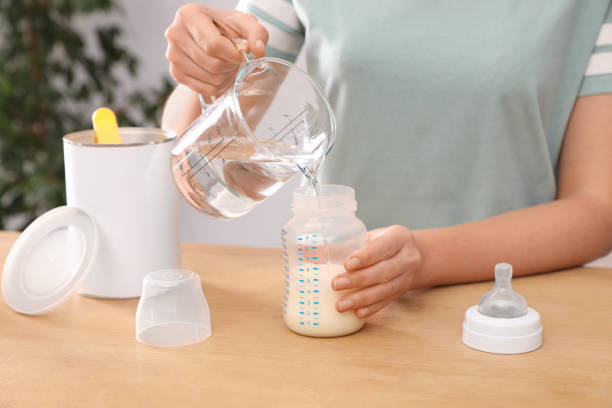
Formula preparation can feel like a simple routine: measure water, add formula, mix, feed, clean, repeat. But for babies, the quality of the water used in that routine matters. Powdered and concentrated liquid formulas both require water, and that water becomes part of what the baby drinks. If the water source is unsafe, contaminated, or handled poorly, formula preparation can become a bigger concern than many parents realize. This is especially important in older homes, apartment buildings, urban areas, private wells, and during emergencies when normal water safety may change.
Parents do not need to become water experts to prepare formula safely, but they do need to understand a few core ideas. Water should come from a safe source, bottles and preparation surfaces should be clean, the formula label should be followed exactly, and families should ask a pediatrician or local health department when they are unsure about tap water safety. A safe formula routine is not only about the formula brand. It is also about the water, the measuring, the storage, and the conditions in the home. Families can begin with feeding and formula safety and then think carefully about the water they use every day.
Formula Water Is Part of the Baby’s Diet
When a baby drinks prepared formula, the water is not just a mixing ingredient. It is part of the feeding itself. Powdered formula and concentrated liquid formula are designed to be mixed with the correct amount of water. Too little water can make formula too concentrated. Too much water can dilute nutrition. Unsafe water can introduce contaminants or germs. This is why parents should follow the formula container’s directions closely and avoid guessing with measurements.
The FDA advises parents to use water from a safe source when mixing powdered infant formula. If parents are not sure whether their tap water is safe, the FDA recommends contacting the local health department. The FDA also notes that parents of very young babies, premature babies, or babies with weakened immune systems should ask the baby’s pediatrician whether extra precautions are needed. Parents can review the FDA’s official infant formula safety do’s and don’ts for more guidance.
Tap Water May Be Fine, But It Should Be Safe Tap Water
Many families use tap water for formula preparation, and in many communities tap water is treated and monitored. But “tap water” is not automatically the same in every home. A family in a newer building may have a different plumbing situation from a family in an older apartment. A private well is different from a public water system. A building with old pipes, recent plumbing repairs, a water main break, or a boil water advisory may need extra caution.
HealthyChildren.org, from the American Academy of Pediatrics, explains that parents can use tap water to prepare formula unless there is known contamination, and it recommends using a safe water source as defined by state or local government. Parents can review its official guide on how to safely prepare baby formula with water. The key point is not that one type of water is always best for every baby. The key is knowing whether the water source is considered safe.
Older Buildings Can Add Extra Questions
In older homes and apartment buildings, water quality questions may involve more than the city or town water supply. Water can travel through building plumbing, branch lines, fixtures, valves, and old materials before it reaches the bottle-prep sink. Parents may notice rusty color, particles, strange taste, odor, or changes after plumbing work. These signs do not always mean the water is unsafe for formula, but they do mean parents should slow down and ask better questions.
If the water looks brown, cloudy, or unusual, parents should not simply use it for formula and hope it is fine. They should use a safe alternative while asking the building, local health department, pediatrician, or water provider what is happening. Families living in older housing can also review urban baby safety because water, air, windows, radiators, and building age often overlap in city family life.
Private Well Water Needs Testing
Families who use private well water should be especially careful because private wells are not monitored in the same way as public water systems. Well water can be affected by bacteria, nitrates, minerals, nearby land use, flooding, septic systems, and other conditions. Parents should not assume well water is safe for infant formula just because adults drink it.
The FDA recommends contacting the local health department if parents are not sure whether their water is safe for formula preparation. For well water, testing may be needed for bacteria, nitrates, and other local concerns. Families should ask their pediatrician and local health department what testing is appropriate. If there is any doubt, use water known to be safe while waiting for guidance.
Boiling Water Has a Specific Purpose
Boiling water can help kill germs in water, but it does not remove every type of chemical contaminant. This distinction matters. If water may contain bacteria, viruses, or parasites, boiling may help make it safer. But if water is affected by lead, nitrate, certain chemicals, or other contaminants, boiling may not solve the problem and can sometimes concentrate certain substances as water evaporates. Parents should not treat boiling as a universal fix for all water problems.
The CDC explains that during emergencies, tap water may not be safe for preparing powdered infant formula. It says bottled water is safe to use for mixing powdered infant formula, and when bottled water is not available, tap water can be made safer by boiling or disinfecting it to kill bacteria, viruses, and parasites. Parents can review the CDC’s official infant formula preparation and storage guidance for current details.
Bottled Water Can Be Useful, But It Still Requires Care
Bottled water can be a practical option when tap water is not trusted, when there is an emergency advisory, or when a pediatrician recommends it. But bottled water should still be handled safely. Parents should use sealed bottles from a reliable source, store them properly, and avoid using bottles that are damaged, dirty, or already opened for a long time. Once water is opened, it should be handled like a food item, not left uncapped or exposed in a warm room.
Parents should also know that not all bottled waters are the same. Some contain different mineral levels. Some are labeled purified, distilled, spring, or nursery water. Families with questions about fluoride, minerals, or special medical needs should ask their pediatrician. The safest choice depends on the baby, the formula type, the local water situation, and professional guidance.
Water Quality Matters More During Emergencies
Water safety can change during emergencies. Flooding, water main breaks, severe storms, plumbing failures, power outages, and boil water advisories can affect whether tap water is safe. Parents should take these advisories seriously, especially when preparing infant formula. During a water emergency, families may need bottled water, ready-to-feed formula, or specific instructions from local officials.
Ready-to-feed formula can be especially useful in emergencies because it does not require adding water. It is often recommended when clean water is limited, especially for very young or higher-risk babies. Families should still follow storage and feeding directions carefully. If a local authority says the water is not safe, parents should not use it for formula until it is cleared or until they have followed official safety instructions.
Ready-to-Feed Formula Avoids Water Mixing
Ready-to-feed formula does not require added water. This can reduce water-related concerns, especially for newborns, premature babies, babies with weakened immune systems, or families facing uncertain water quality. It can also help during travel, hospital discharge periods, emergencies, or when parents are unsure about the safety of the water source.
Ready-to-feed formula may be more expensive and may not be every family’s long-term choice, but it is worth understanding as an option. Parents should not dilute ready-to-feed formula. It is already prepared. Adding water changes the nutrition and can be unsafe. Families can review formula safety FAQs when comparing preparation methods and common feeding questions.
Do Not Dilute Formula to Stretch It
Water quality matters, but water quantity matters too. Formula must be mixed according to the label. Adding extra water to stretch formula can be dangerous because it dilutes calories and nutrients. Babies need the correct balance of nutrition and fluids. Over-diluted formula can cause serious health problems. Parents should never change the mixing ratio unless a pediatrician gives specific medical instructions.
If formula access becomes difficult, parents should contact a pediatrician, WIC office, local health department, or emergency support service instead of watering down bottles. A baby’s formula should be prepared exactly as directed. Safe water cannot make an incorrectly mixed bottle safe.
Clean Hands and Surfaces Still Matter
Even when the water source is safe, formula can become contaminated during preparation. Parents should wash hands before preparing bottles, use clean bottles and nipples, and prepare formula on a clean surface. Bottle parts should be washed and stored safely so dust, pests, sink splash, or cleaning products do not contaminate them.
Small kitchens and apartment counters can make this harder. Families may need one dedicated bottle-prep area or a clean tray that keeps formula tools separate from raw food, dishcloths, and cleaning supplies. Parents can review bath and hygiene safety for broader hygiene habits around babies, but bottle prep deserves its own clean routine because it directly affects what the baby drinks.
Water Filters Are Not All the Same
Some families use water filters and assume the filtered water is automatically safe for formula. Filters vary widely. A pitcher filter is not the same as a certified under-sink filter, and not every filter removes the same contaminants. Some filters are designed for taste and odor, while others may reduce specific substances. Filters also need regular replacement. An old or poorly maintained filter can create new concerns.
If parents are using a filter because of a known contaminant, they should check whether the filter is certified for that contaminant and follow replacement instructions. If the concern is bacteria, lead, PFAS, nitrate, or another specific issue, guessing is not enough. Parents should ask the local water authority, health department, or pediatrician what makes sense for their situation.
Fluoride Questions Should Go to the Pediatrician
Some parents worry about fluoride when using tap water for formula. Fluoride can help prevent tooth decay, but frequent use of fluoridated water for formula may raise questions about mild dental fluorosis in some situations. This does not mean parents should panic or avoid all fluoridated water. It means families should ask the pediatrician or dentist for guidance, especially if the baby receives mostly powdered or concentrated formula mixed with tap water.
HealthyChildren.org notes that it is generally best to primarily use safe fluoridated tap water and occasionally use non-fluoridated bottled water if desired. Because local water and baby feeding patterns vary, parents should ask for personalized guidance rather than relying on online debates. The best answer depends on the baby, the local water source, and the family’s formula routine.
Apartment Renters Should Document Water Concerns
Renters may feel unsure what to do when the water looks or smells wrong. If water is brown, has particles, smells unusual, or changes after repairs, parents should document the concern. Take photos or videos, note the date and time, and report it to the landlord or building management. If the issue seems widespread or unresolved, contact the local water provider or health department for guidance.
While waiting for answers, parents can use water known to be safe or ready-to-feed formula if appropriate. Babies should not be the test case for questionable water. Families can also use the contact page to ask general infant safety questions or find next-step support topics.
When to Ask the Pediatrician
Parents should ask the pediatrician about formula water if the baby is younger than 3 months, was born prematurely, has a weakened immune system, has medical conditions, or uses a specialty formula. They should also ask if they use well water, live in an older building with water concerns, have a known local advisory, or are unsure whether bottled, boiled, filtered, or tap water is best.
Parents should also seek medical advice if the baby has vomiting, diarrhea, signs of dehydration, poor feeding, unusual sleepiness, fever, or any symptoms that worry them. Water and formula safety are prevention topics, but a sick baby needs direct professional care. Online guidance should never replace a pediatrician’s advice for a specific infant.
The Bottom Line
Water quality matters for baby formula prep because the water becomes part of the baby’s food. Safe water, correct measuring, clean bottles, and careful storage all work together. Tap water may be fine when it is considered safe, but parents should ask questions if they use well water, live in an older building, notice discoloration, face a boil water advisory, or have a baby who needs extra precautions. Bottled water and ready-to-feed formula can be useful in specific situations, especially when water safety is uncertain.
The safest formula routine is clear and consistent: use water from a safe source, follow the formula label exactly, keep preparation areas clean, store supplies safely, and ask the pediatrician or local health department when unsure. Parents do not need to be afraid of formula prep, but they should respect the role water plays in every bottle. A few careful habits can make feeding safer and give families more confidence in their daily routine.