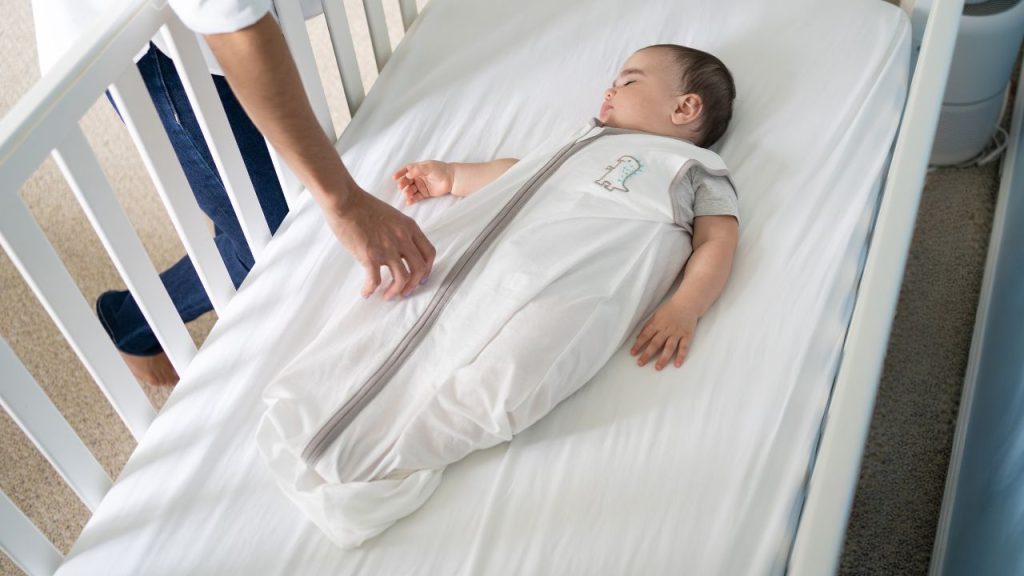
The topic of infant sleep is often surrounded by anxiety. For new parents, the directive to provide a “safe sleep environment” can feel like a heavy burden, frequently presented in ways that induce panic rather than clarity. The truth, however, is that safe sleep is not about achieving perfection or living in a state of constant vigilance; it is about creating a consistent, manageable environment that supports your baby’s natural development while minimizing risks.
When you strip away the fear-based rhetoric, safe sleep boils down to a few fundamental principles. By understanding the “why” behind the guidelines, you can move from a place of worry to a place of confidence.
The Foundation: Understanding the Environment
At its core, safe sleep is about removing unnecessary obstacles. Infants are remarkably resilient, but they are also vulnerable to factors they cannot manipulate themselves—like heavy blankets, soft surfaces, or restricted airflow.
The American Academy of Pediatrics (AAP) provides clear guidance on these basics: place your baby on their back for every sleep, use a firm, flat surface, and keep the crib or bassinet clear of loose items. This isn’t meant to be a rigid, sterile lifestyle change; it is a simple way to ensure that your baby’s environment remains safe as they grow. If you are looking for a deeper dive into these standards, our safe sleep resource provides a comprehensive breakdown of the current recommendations.
Designing a Room That Works for You
One of the most common sources of stress for parents is the feeling that their nursery or bedroom needs to be “perfect.” In reality, a safe sleep space is simply a clutter-free one.
Think of your baby’s sleeping area as a dedicated sanctuary. You don’t need fancy gadgets or expensive monitoring systems to achieve safety. Instead, focus on the home safety basics that affect the room:
- Temperature Control: Ensure the room isn’t too hot, which can be an overlooked risk factor.
- Airflow: Good circulation is vital. A simple fan in the room can help keep the air moving without needing to be directed at the baby.
- Minimalism: The more “stuff” in the sleep area, the more there is to worry about. Keeping the crib bare isn’t just safer—it’s also easier to clean and manage.
For those living in smaller or more challenging layouts, such as city apartments, maintaining this minimalism can be even more important. Often, the best approach is to simplify your surroundings to clear the mental and physical space, which is a major pillar of urban baby safety.
Moving Past the “What Ifs”
It is completely normal to feel a sense of unease when you put your baby down for a nap or for the night. This is a biological response rooted in your protective instinct. However, when that unease turns into chronic anxiety, it stops being helpful.
The way to combat fear is through education and habit. When you know that you have established a safe, consistent environment, you can allow yourself to rest as well. If you find yourself frequently questioning your setup, it can be helpful to review our FAQ page, where we address common concerns that parents have as their infants reach different developmental milestones.
Remember, you don’t have to guess. There are authoritative resources available, such as The National Institute of Child Health and Human Development (NICHD), which offers science-backed information on how to reduce the risk of SIDS and other sleep-related causes of infant death. Relying on these sources, rather than internet forums or hearsay, can help keep your perspective grounded in fact.
Beyond the Sleep Space
Safe sleep is just one piece of the broader puzzle of infant care. When you feel confident in how you handle sleep, it often spills over into other areas, such as feeding formula safety or managing bath and hygiene safety.
Confidence comes from consistency. When you follow the same safe practices every day, they become second nature. You stop checking the crib five times before you leave the room because you know you have already checked it once—and that is enough.
Navigating Challenges Together
There will be nights where sleep seems impossible, or phases where your baby’s needs seem to change overnight. During these times, it is easy to feel like you are failing or that you need to “fix” something. It is okay to reach out for support. Whether it is speaking with your pediatrician or checking in with us via our contact page, remember that you are part of a community of parents who are navigating the same terrain.
You are doing a better job than you think. Safe sleep isn’t about being an expert; it’s about being present, being consistent, and knowing where to turn for reliable information. By keeping things simple and staying informed, you can create a bedtime routine that feels like a peaceful conclusion to the day, rather than a source of stress.
For ongoing support and regular updates on creating a secure, healthy home for your baby, be sure to visit our blog and explore the wide range of resources available at Infant Safety Guide.