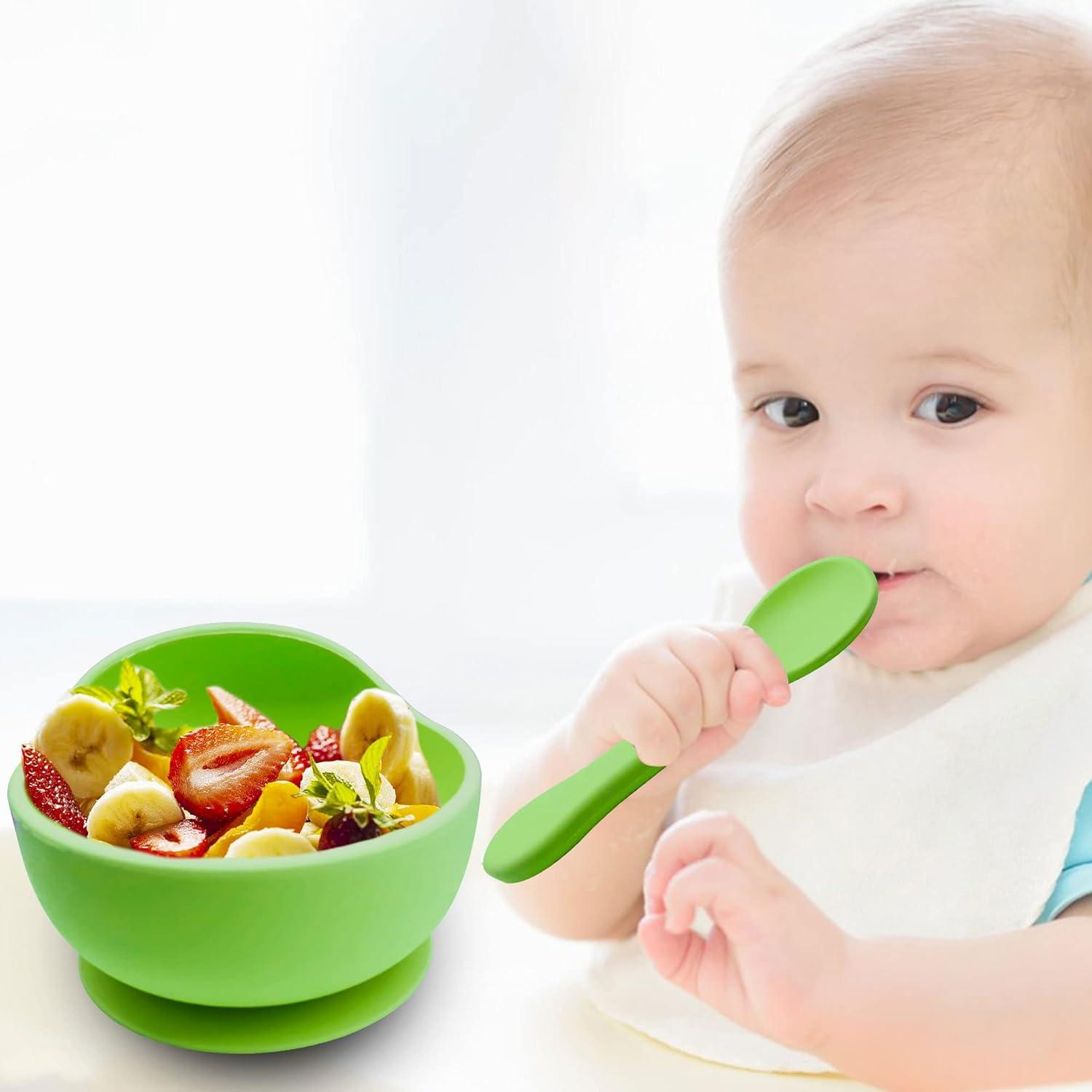
The journey from milk-only feedings to the messy, delightful world of solid foods is a major milestone for any baby. As your little one starts exploring textures and tastes, your kitchen inventory will likely undergo a massive transformation. Suddenly, your cabinets are filled with tiny silicone bowls, suction-plate mats, soft-tipped spoons, and spill-proof cups.
While the sheer variety of baby gear is exciting, it can also be frustrating. Many parents find themselves replacing cheap plastic sets every few months because they warp in the dishwasher, hold onto lingering odors from last week’s sweet potatoes, or develop scratches that seem to trap bacteria. Finding baby feeding gear that is both safe and built to last is a smart investment that saves money and reduces waste.
If you are just starting to navigate the feeding formula safety standards or transitioning to solids, choosing the right tools is the first step toward stress-free mealtimes.
The Problem with “Disposable” Baby Gear
Many entry-level baby bowls and utensils are made from low-grade plastics designed for convenience rather than longevity. Over time, these materials degrade. When plastic becomes scratched, it creates tiny crevices where food particles, bacteria, and mold can hide. Even with rigorous washing, these deep-set particles can be difficult to remove, often leading to a sour smell that persists no matter how much soap you use.
Beyond the cleanliness issue, there is the matter of environmental and chemical wear. High heat from sanitizers or dishwashers can cause cheaper plastics to leach chemicals or lose their structural integrity, leading to warping or melting. To ensure your home safety standards are met, it is worth looking for materials that stand the test of time.
Choosing Materials That Stand the Test of Time
When you want gear that lasts, the material choice is everything. Here are the gold standards for durability and sanitation in baby feeding:
1. Food-Grade Silicone
Silicone has become a favorite for good reason. It is heat-resistant, dishwasher-safe, and incredibly durable. Unlike plastic, silicone does not scratch easily, meaning there are fewer places for bacteria to colonize. It is also inherently flexible, making it perfect for baby-led weaning plates that need to handle a few drops onto the kitchen floor.
2. Stainless Steel
If you want something virtually indestructible, stainless steel is the way to go. It is non-porous, meaning it won’t absorb smells or stains (bye-bye, carrot-orange-stained bowls!). It is also the easiest material to sterilize, as it can handle high heat without degrading. Stainless steel snack cups and small bowls can last through multiple children and beyond.
3. Glass (Borosilicate)
For those who prefer glass, borosilicate is the preferred choice because it is more resistant to thermal shock than standard glass. While it is obviously breakable, it is the most hygienic material available. It is completely inert, meaning there is zero risk of chemical leaching, regardless of how many times it is washed in the dishwasher. Everyday infant safety extends to household utilities, prompting conscientious caregivers to look into apartment building water testing in NYC before preparing bottles or meals.
Best Practices for Maintaining Your Gear
Even the highest-quality stainless steel or silicone needs proper care to stay in top shape. Here is how to keep your bath hygiene safety and kitchen cleanliness standards high:
- Avoid Abrasive Scrubbers: Whether you are using plastic, silicone, or metal, avoid steel wool or harsh abrasive pads. These create micro-scratches that invite bacteria growth. Stick to soft sponges or silicone brushes.
- The “Soak and Sniff” Test: For silicone, if you notice an odor (often caused by soap buildup or trapped oils), a deep clean is in order. Boiling your silicone gear in water for 5 minutes is a highly effective, chemical-free way to neutralize odors and sanitize the material.
- Inspect Regularly: Even durable gear has a lifespan. Check your cups and spoons for cracks, chips, or loose parts. If a spoon tip is fraying or a cup lid no longer seals tightly, it is time to cycle them out. For a comprehensive look at what to keep and what to toss, you can always check current product safety recalls to see if your items are still up to modern standards.
Designing a Feeding Station That Works
If you are living in an urban baby environment where space is at a premium, you don’t need 20 different bowls. A minimal, high-quality collection is far better than a drawer full of mismatched, worn-out plastic.
Focus on a “capsule” collection:
- Two deep suction bowls: One for home, one for travel.
- Three silicone spoons: Soft on the gums but durable for long-term use.
- Two stainless steel or glass containers: For long-term storage of snacks.
By choosing these durable materials, you simplify your life and ensure that your baby’s feeding environment remains hygienic day after day.
Staying Informed
As your baby grows, their needs will change—from purees to finger foods, and eventually to independent dining. If you ever have questions about specific product types or are wondering about the latest safety guidelines for feeding, feel free to check out our frequently asked questions or reach out through our contact page.
Consumer Reports often provides excellent insights into product testing for durability and safety, serving as a great external resource when you are ready to invest in your next set of feeding gear.
Final Thoughts
Investing in clean, long-lasting baby bowls and utensils is about more than just aesthetics; it is about creating a safe, reliable foundation for your baby’s nutritional journey. By opting for non-porous, durable materials like silicone and stainless steel, you spend less time replacing gear and more time enjoying those messy, milestone-filled mealtimes with your little one. Remember, the best gear is the kind that supports your peace of mind while handling everything your toddler throws—literally—at it.
Are you currently navigating the transition to solid foods, or are you looking to upgrade your current collection of feeding gear?