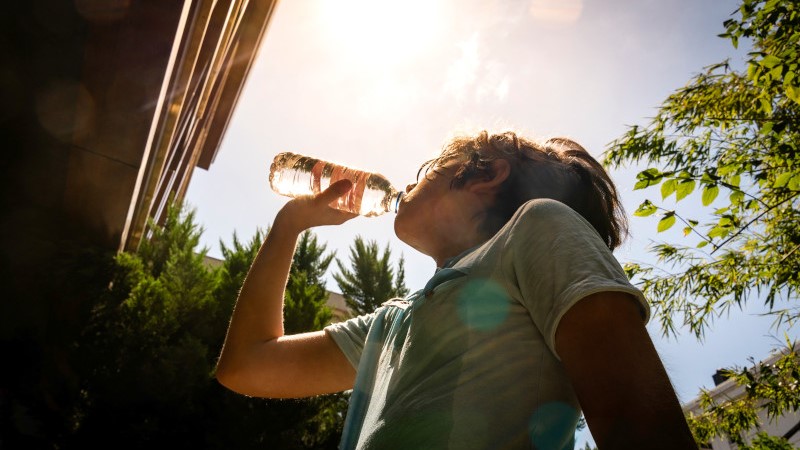
For families raising children in New York City, summer brings a unique blend of excitement and challenge. Between the concrete landscape, the intense urban heat island effect, and the city’s notoriously high humidity, keeping your baby safe and cool requires a bit of extra planning. While a summer day in the city might feel like 105°F due to the combined effects of temperature and moisture, your primary goal is to ensure your little one’s core temperature remains stable.
Understanding how to manage these environmental stressors is an essential part of urban baby safety. Here is how you can protect your child while still enjoying everything the city has to offer.
Why NYC Summers Are Uniquely Challenging
It isn’t just the thermometer reading that matters in New York; it’s the “apparent temperature.” Humidity prevents sweat from evaporating efficiently, which is the body’s primary mechanism for cooling down. Because infants have a greater body surface-area-to-volume ratio than adults and a less developed ability to regulate their internal temperature, they are significantly more susceptible to heat-related illnesses.
Research indicates that high ambient temperatures are linked to increased emergency department visits for children under four years old. In dense urban environments like NYC, these risks are compounded by nocturnal heat—where the concrete jungle retains warmth long after the sun goes down, making it harder for both you and your baby to find relief.
Recognizing the Signs of Overheating
Babies cannot tell you when they are uncomfortable, so you must rely on physical cues. Heat exhaustion and heat-related stress can manifest quickly. Watch for these red flags:
- Physical Cues: Skin that feels hot to the touch, excessive sweating, or conversely, skin that appears flushed or unusually pale.
- Behavioral Changes: Unusual lethargy, irritability, or difficulty staying awake.
- Physical Symptoms: Rapid heartbeat, quick breathing, or a refusal to feed.
- Signs of Dehydration: A dry mouth, fewer wet diapers than usual, or a sunken soft spot on the head.
If you suspect your child is suffering from heat exhaustion, immediately move them to a cooler environment, remove excess clothing, and offer breast milk or age-appropriate fluids. If you notice symptoms of heatstroke—such as a fever of 104°F or higher, confusion, or a lack of sweating—seek emergency medical attention immediately. You can find more guidance on monitoring your child’s well-being in our FAQ section.
Keeping Your Home Cool
Living in a pre-war apartment or a high-rise without central air conditioning can turn your home into a greenhouse. To maintain a safe environment:
- Circulate, Don’t Just Blow: While fans can move air, they don’t lower room temperature. In extreme heat, focus on keeping your home as dark as possible during the day by closing blinds or curtains.
- The “Night Shift”: Open windows only when the outside air temperature drops below the indoor temperature, usually in the early morning or late at night.
- Strategic Bedding: Keep the sleep environment minimalist. Avoid heavy blankets or excessive layers, which can trap heat. Always maintain a safe sleep environment by ensuring the crib is free of soft bedding, even if you are worried about the room temperature.
- Stay Hydrated: Frequent feedings—whether breast milk or formula—are crucial during heat waves. If you have questions about feeding schedules during extreme weather, review our feeding safety tips.
Navigating the City Safely
You don’t have to stay indoors all summer, but timing is everything.
- Plan Around the Peak: Avoid being outdoors between 11:00 AM and 4:00 PM when the sun is at its strongest and the asphalt is radiating the most heat.
- The Stroller Factor: Strollers can trap heat, especially if covered with a blanket to provide shade. This reduces airflow significantly. Instead, use a clip-on umbrella or a stroller fan that is safely out of reach of tiny fingers.
- Seek Out “Cooling” Zones: Take advantage of NYC’s public spaces. Libraries, museums, and community centers are great places to escape the humidity for a few hours.
- Public Water Play: While jumping in a sprinkler might be a classic NYC childhood memory, ensure your baby is supervised and that the surface is safe. Always be mindful of bath and hygiene safety when visiting communal water play areas.
Proactive Summer Preparedness
Preparation is the best defense against summer heat. Ensure your home is stocked with the supplies you need, and keep an eye on your home safety basics to ensure that your environment remains secure as you make adjustments for the season.
If you ever feel overwhelmed by the demands of city parenting, remember that you aren’t alone. We regularly update our blog with seasonal advice to help parents navigate the challenges of raising an infant in the city.
Summer in New York City is a magical time if you manage it with care. By staying vigilant about your baby’s comfort and keeping your environment as cool as possible, you can navigate the heat and humidity safely. If you have any concerns about your child’s health during these hot months, don’t hesitate to contact a professional or consult your pediatrician.
For more resources and guidance on keeping your family safe throughout the year, visit the Infant Safety Guide home page.