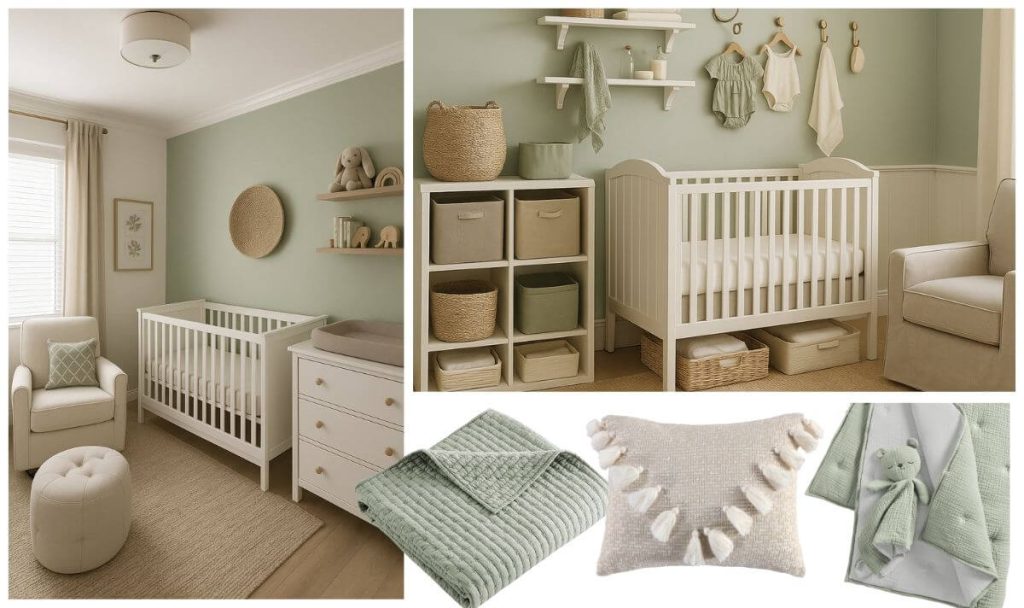
For parents living in compact homes or apartments, the arrival of a baby often brings a complex puzzle: how to fit a crib into a space that was never intended for one. While the square footage might be limited, your ability to create a secure, healthy environment for your infant is not. In fact, a smaller footprint often forces a more intentional, minimalist approach to the nursery, which can be a hidden blessing for infant safety.
When space is at a premium, the goal is to prioritize functionality and safety above all else. Here is how you can set up a crib in a tiny room without compromising on the standards that matter most.
1. Choosing the Right Spot
In a tiny room, your options for where to place the crib are likely limited to one or two walls. However, the “where” is just as important as the “how.”
Avoid placing the crib directly against a wall that shares a radiator, heater, or air conditioning unit. These can create temperature fluctuations that are uncomfortable for your baby. Similarly, ensure the crib is placed away from windows with blinds or curtains. The cords on these items are significant hazards, and in tight spaces, it is easy for them to dangle within a baby’s reach.
If you are navigating the unique challenges of urban baby safety, you might be tempted to push the crib into a corner to save space. While this is often necessary, always ensure there is enough room to access the crib from all necessary sides for easy monitoring and cleaning.
2. Minimalism as a Safety Feature
When space is tight, clutter is your greatest enemy. A small room can quickly become overwhelmed by gear, making it difficult to maintain a clean and safe environment.
Adopt a “less is more” mindset. A safe crib setup is a bare crib. The AAP guidelines are clear: a firm, flat mattress and a tightly fitted sheet are all your baby needs. In a tiny room, avoid the urge to add “cozy” accessories like bumpers, stuffed animals, or pillows. These items not only take up valuable space, but they also pose significant risks to your baby.
If you are feeling the pressure to make the space look “nursery-ready,” remember that a clean, simple aesthetic is not only safer but often more restful for both you and your infant. You can find more information on how to maintain these standards in our safe sleep guide.
3. Optimizing Verticality
If you cannot expand horizontally, expand vertically. This is a common strategy for parents in cities where square footage is expensive and limited.
- Shelving: Use high wall-mounted shelves for items you need, like diapers, wipes, or swaddles. Keeping these off the floor keeps the room navigable and reduces the risk of tripping in the dark during late-night checks.
- Storage: If you need a changing table, look for a dresser-topper model that utilizes the space you are already using for storage.
- Cord Management: In a small room, cords from lamps or monitors can quickly become a tangled web. Use cord covers and ensure all cables are securely fastened behind furniture and well out of the baby’s reach. This is one of the most fundamental home safety habits you can adopt.
4. The Importance of Air Quality and Circulation
Tiny rooms can trap heat and humidity, which can be detrimental to an infant’s comfort and safety. Proper ventilation is critical. Even in a small space, try to keep the crib away from areas where dust may collect, such as behind heavy curtains or tucked into tight, dark corners where airflow is stagnant.
A small, quiet fan can help circulate the air in a confined space. Just ensure it is placed far enough away from the crib that it cannot be knocked over and that no cords are exposed. If you are ever worried about the environment you’ve created, it is always a good idea to consult trusted resources regarding infant sleep environments to ensure you are following the latest expert advice.
5. Regularly Inspect Your Setup
Because tiny rooms often require everything to be pushed into place, it is easy for furniture or the crib itself to shift slightly over time. Make it a habit to check the crib hardware, the mattress fit, and the security of any nearby wall-mounted items.
Additionally, be aware of product safety updates. Even in a small room, you may have various pieces of gear or monitors. Staying informed about recalls ensures that the limited space you have is filled only with items that meet current safety standards.
6. Embracing the “Shared Space” Reality
If the baby’s crib is in your bedroom—which is common in many urban settings—the challenge becomes keeping your items safe as well. Your nightstand should not contain loose medications, hair ties, or heavy items that could accidentally fall into the crib.
It takes a bit of extra diligence, but by keeping your own bedside clear, you are actively protecting your baby. This mindset should extend to all aspects of your routine, including how you handle bath and hygiene safety and feeding. Keeping the space organized prevents cross-contamination of hazards and helps you maintain your peace of mind.
You Can Do This
Creating a safe crib setup in a tiny room is not about having a perfect nursery; it’s about being mindful of the space you have. By focusing on the essentials, keeping the area clear of hazards, and staying informed, you are providing your baby with exactly what they need.
If you ever feel that your living situation makes it difficult to meet these standards, or if you have specific questions about your layout, don’t hesitate to check our FAQ page or contact us directly. We understand that every home is different, and we are here to support you in finding the best way to keep your little one safe and sound.
For ongoing tips on creating a secure, healthy, and happy home for your growing family, visit our blog or head back to the Infant Safety Guide home page.