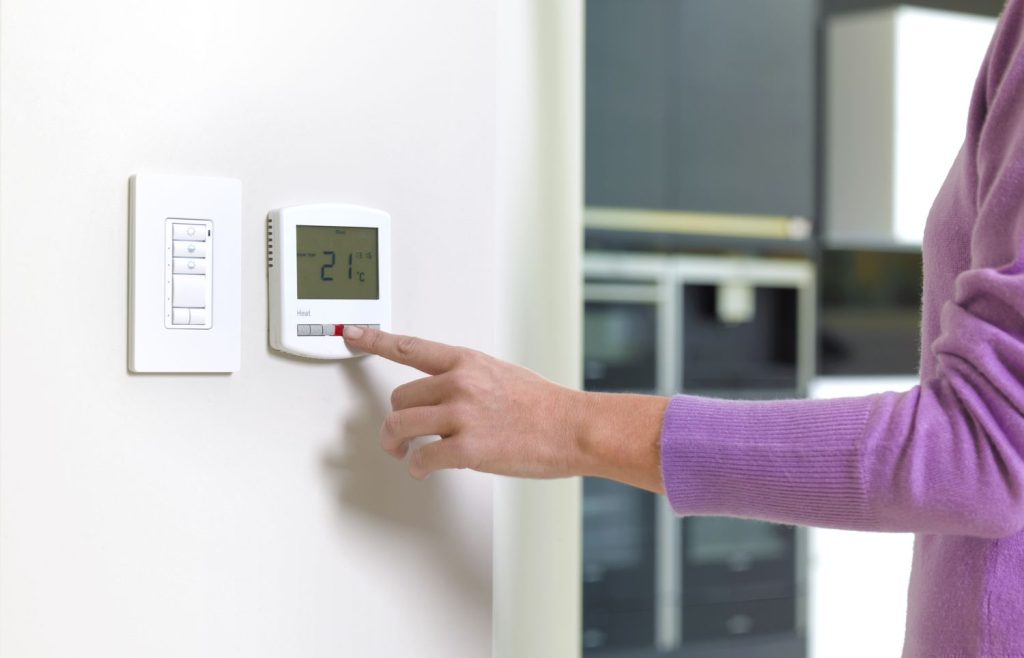
There is a distinct charm to living in an older home—the high ceilings, the character, and the history. However, for new parents, these architectural features can present a significant challenge: temperature regulation. Unlike modern construction with high-efficiency HVAC systems and tight insulation, older homes often deal with drafty windows, uneven heating, and rooms that seem to hold onto the summer heat long after the sun goes down.
Managing the environment in an older building is a critical part of urban baby safety. Because infants rely on their caregivers to regulate their temperature, understanding how to work with, rather than against, your home’s unique quirks is essential for keeping your baby comfortable and safe.
Understanding the “Older Home” Challenge
Older homes often suffer from poor insulation and air leaks around window frames and baseboards. In the winter, this leads to cold drafts, while in the summer, those same leaks allow hot, humid air to creep in, making it difficult to keep a nursery cool.
The primary goal is to maintain a consistent environment. Fluctuations in temperature can be stressful for a newborn, and keeping the nursery within a comfortable range—typically between 68°F and 72°F (20°C–22°C)—is generally recommended. While you don’t need to obsess over the exact degree, you do need to ensure your baby isn’t overheating or shivering.
1. Seal the Leaks, Not the Airflow
The first step is a practical assessment of your windows and doors. Weather-stripping is an inexpensive, non-invasive way to seal drafty windows. If you are renting, look for temporary options that don’t damage the trim.
However, be careful: while you want to stop the drafts, you still need air circulation. Never seal a room so tightly that it becomes stagnant. Good ventilation is key to home safety, ensuring that fresh air is circulating throughout the room to prevent the buildup of humidity or dust.
2. Managing Radiators and Space Heaters
In many older homes, heating is provided by steam or hot water radiators. These are notoriously difficult to control. A room can go from freezing to sweltering in a matter of minutes.
- Radiator Covers: If you have an exposed radiator in the nursery, a custom or well-fitted radiator cover is a must. It not only protects your baby from burns when they start crawling but also helps diffuse the heat more evenly throughout the room rather than concentrating it in one spot.
- The Space Heater Warning: If you are using a portable space heater to supplement the heat, proceed with extreme caution. Space heaters are a major fire risk and should never be left unattended near a crib. If you must use one, ensure it is a modern model with a “tip-over” shut-off feature and keep it at least three feet away from any flammable materials, including curtains and bedding.
3. Dressing for the Environment
When the room temperature is difficult to control, the safest way to manage your baby’s comfort is through their clothing and sleep sack. In an older home where the temperature might dip overnight, focus on layering.
Use a wearable blanket or a sleep sack instead of loose blankets. This ensures your baby stays warm without the risk of loose bedding interfering with their breathing. If you are ever uncertain about whether your baby is too warm, feel their chest or back—their hands and feet should feel slightly cooler than their core. For more guidance on maintaining a secure environment, refer to our safe sleep best practices.
4. The Summer Humidity Struggle
Older homes in urban environments often struggle with humidity. High moisture levels can make a room feel much hotter than it is, which is dangerous for an infant.
Use a dehumidifier if you live in a particularly damp area, but ensure it is kept out of the baby’s reach and that the reservoir is emptied regularly to prevent mold growth. If you don’t have air conditioning, focus on creating a cross-breeze during the cooler parts of the day, but be sure to close windows and blinds during the hottest hours of the afternoon to keep the heat out.
5. Monitoring Without Anxiety
You don’t need a high-tech smart sensor to know if the room is too hot or too cold. Your baby is the best indicator. If they are fussy, flushed, or have heat rash, the room is likely too warm. If they are cold to the touch or struggling to settle, they likely need another layer.
If you find yourself constantly worrying about the nursery conditions, checking our FAQ page might offer some reassurance. Many parents encounter the same issues, and knowing the common signs of discomfort can help you respond appropriately without the need for constant, anxiety-driven monitoring.
6. Integrating Hygiene and Safety
When you are focusing on temperature, don’t forget how it relates to other daily routines. For example, bath and hygiene safety is deeply affected by room temperature. A cold bathroom can make bath time stressful, so consider warming the room with a space heater before the baby arrives and turning it off before you bring them in.
Similarly, if you are preparing bottles, remember that formula storage and preparation can be affected by ambient room heat. Always keep your feeding supplies in a cool, dry place.
Final Thoughts: Resilience and Routine
Living in an older home requires a bit of patience. You will learn the “personality” of your rooms—which one holds the heat, which one drafts in the winter, and how your heating system behaves when the temperature drops outside.
Don’t strive for a perfectly climate-controlled environment; strive for one that is safe and manageable. By using simple tools like weather-stripping, proper clothing layers, and being mindful of heat sources, you can create a comfortable sanctuary for your little one regardless of the home’s age.
If you are ever unsure about your setup or if a specific piece of equipment you’ve purchased to manage your home’s climate seems to be malfunctioning, check for product safety alerts immediately. Being proactive is the best way to handle the challenges of older-home living.
If you ever need further advice or just want to connect with other parents facing similar challenges, please don’t hesitate to reach out via our contact page. We are here to help you navigate the complexities of parenthood, one room at a time.
For more tips on navigating the unique challenges of infant care in various living environments, explore our blog and visit the Infant Safety Guide home page for comprehensive resources.