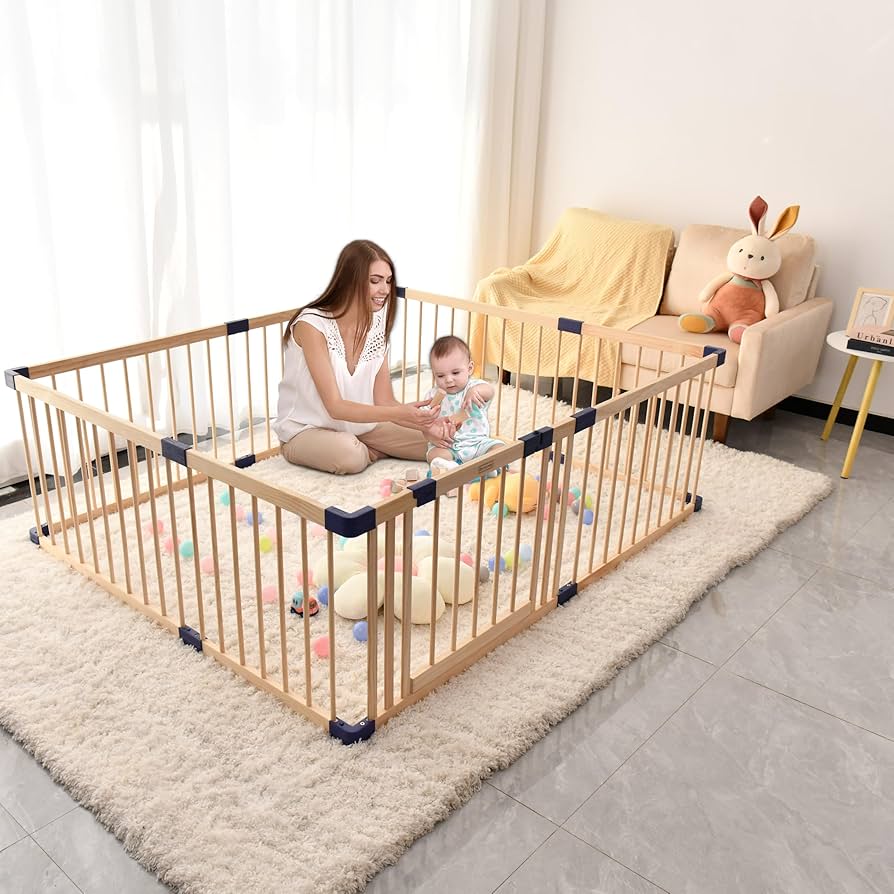
Living in a smaller home or apartment doesn’t mean your baby has to miss out on the joys of exploration and play. In fact, many parents find that smaller spaces actually encourage a more intentional approach to child-rearing. However, when square footage is at a premium, the challenge isn’t just about making things fit—it’s about ensuring that those spaces remain safe, functional, and organized.
Creating a safe play zone in a compact environment requires a shift in perspective. Instead of thinking about “finding space,” you must learn to “make space” work harder. Here is how you can transform even the smallest corner into a secure, engaging haven for your little one.
1. Prioritize Safety from the Ground Up
Before you start buying storage bins or modular mats, the foundation of any play area must be safety. In tight quarters, your baby is closer to walls, furniture edges, and electrical outlets than they might be in a sprawling playroom.
Start with a thorough audit of your living area. Cover all outlets within reach, secure heavy furniture to the wall to prevent tipping—a critical step for home safety—and soften sharp corners on coffee tables or bookshelves. Because your play area is likely part of your main living space, you cannot always keep eyes on the baby 100% of the time. This makes creating a “contained” safe zone essential.
Consider using high-quality, non-toxic foam play mats. They provide the necessary cushioning for tumbles, define the “play territory” visually, and can be easily tucked away or wiped down, which is a significant advantage when dealing with bath and hygiene safety routines that often spill over into other parts of the home.
2. Vertical Storage is Your Best Friend
When the floor space is limited, look up. Vertical storage is the secret weapon of parents living in urban settings. By installing wall-mounted shelves, hanging organizers, or tall, narrow bookcases, you can keep toys accessible but off the floor when not in use.
The goal is to reduce clutter that could become a tripping hazard. For infants and toddlers, keeping toys at their eye level—but within an organized system—encourages independent play. Use clear, BPA-free bins for small items, which allows the baby to see their toys without dumping everything out at once. This isn’t just an organizational win; it’s a strategy for maintaining a cleaner, more manageable environment that reduces the stress of constant tidying.
If you are navigating the nuances of urban baby safety, you likely already know that clutter can quickly become overwhelming. Vertical solutions help clear the “visual noise,” making your home feel larger and more serene.
3. The “Rotate and Hide” Strategy
In a small space, “less is more” is the golden rule. You don’t need every toy your baby owns out at the same time. In fact, having too many toys in a small area often leads to overstimulation and less focused play.
Adopt a toy rotation system. Keep a small selection of toys in the active play area and store the rest in a closet or a high-up cabinet. Swap them out every week or two. This keeps the play area feeling fresh and exciting for your baby, while drastically reducing the footprint of their toys.
For those items that must stay out, look for multi-functional furniture. An ottoman with storage inside can serve as a seat for you during play and a toy chest when the day is done. By choosing pieces that serve double duty, you protect your limited square footage while keeping product safety in mind by ensuring those items are sturdy and free of pinch points.
4. Define the Space Visually
Without walls to designate a “playroom,” your baby might struggle to understand where play time starts and ends. Using a rug or a play mat to define the area is a simple design trick that creates a psychological boundary.
This is particularly helpful if your baby’s play area shares space with a dining area or home office. By keeping the toys within the designated rug area, you contain the mess and keep the rest of your home feeling like an adult space. It also helps with the transition to other important routines, like safe sleep. When play time is over, cleaning up the rug signals to your baby that it’s time to move toward quiet time or nap time.
5. Be Mindful of “Hidden” Hazards
In tight spaces, we often overlook the hazards hidden in plain sight. Keep play areas away from cords (from lamps, chargers, or blinds), heaters, and windows. If your play area is near a window, ensure that any cords or blind strings are tied up completely out of reach.
Additionally, be wary of the items you choose to store in your new vertical shelving. Anything heavy should be placed on the bottom shelf, or ideally, in a locked cabinet. As your baby grows and starts to pull themselves up, they will use everything they can find as a ladder. Proactive home safety is about anticipating these milestones before they happen.
6. Keeping it Clean
Small spaces can trap dust and allergens more easily than large, airy rooms. Regular cleaning is a non-negotiable part of organizing a safe play zone. Choose materials that are easy to sanitize. Avoid heavy carpets that are hard to vacuum and opt for wipeable mats instead.
If your baby is in the stage where everything goes in the mouth, you are likely already mindful of sanitization. Keeping toys organized in plastic or wood bins makes it easier to wipe them down with a damp cloth or a child-safe cleaner at the end of the day. For more tips on maintaining a healthy environment for your little one, check out our blog for regular updates on infant care.
Final Thoughts: Quality Over Quantity
Organizing a baby’s play area in a tight space is fundamentally about intentionality. You are curating an environment that fosters curiosity without compromising on safety. By focusing on vertical storage, toy rotation, and clear boundaries, you can create a space that feels expansive for your baby’s imagination, even if it’s just a corner of your living room.
Remember, the most important part of the play area isn’t the toys or the storage—it’s the time you spend there with your baby. Don’t worry if it isn’t “Pinterest-perfect.” As long as the area is safe, clean, and filled with love, your baby will thrive.
If you ever have specific concerns about your setup or need clarification on safety standards, please don’t hesitate to check our FAQ page or reach out to us via our contact page. We are here to help you navigate the journey of parenthood, no matter how much square footage you have to work with.
For more expert advice on navigating the challenges of parenthood, explore the rest of the Infant Safety Guide resources today.