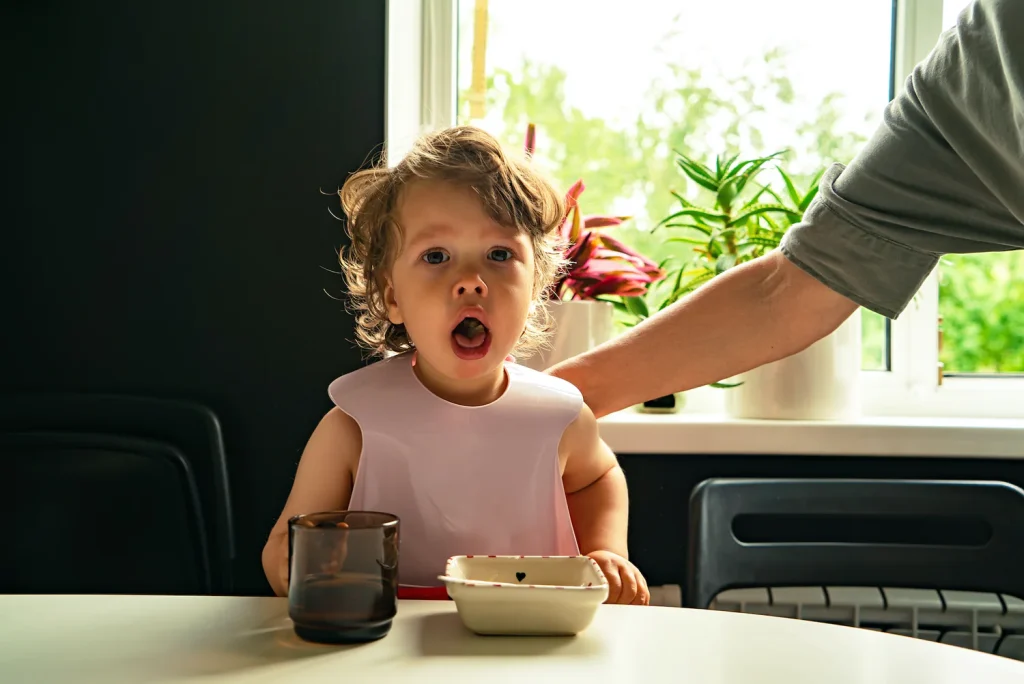
The transition to solid foods is a monumental milestone. It’s a time of exploration, messy faces, and the excitement of watching your baby discover new flavors. However, for many parents, this excitement is tempered by a healthy dose of anxiety about choking. Recognizing and mitigating these risks is a fundamental part of home safety as your child begins to explore the world through taste.
Choking is a leading cause of accidental injury in young children, but the good news is that it is highly preventable. By understanding which textures and shapes pose the greatest risk, you can confidently navigate mealtimes and foster a healthy relationship with food.
Why Infants Are at Risk
An infant’s airway is small—roughly the size of a drinking straw—and their chewing and swallowing muscles are still developing. Before a child has mastered the art of grinding food with molars, they rely on mashing food against the roof of their mouth. Any food that cannot be easily broken down, or that is shaped in a way that can “plug” the airway, is a potential hazard.
Understanding these mechanics is essential for urban baby safety, especially when you are dining in shared spaces, at family gatherings, or navigating busy city life where mealtime might occasionally feel rushed.
The “High-Risk” List
While any food could potentially cause choking if a child is rushed or distracted, certain foods require extra attention due to their size, shape, or consistency.
- Round and Small: Foods like whole grapes, cherry tomatoes, and blueberries are the perfect size to block an airway. These should always be sliced lengthwise (and ideally quartered) to eliminate the round shape.
- Hard and Crunchy: Raw vegetables like carrots or celery, and hard fruits like apples, are difficult for babies to chew effectively. They can easily snap off into large, hard chunks. These should be cooked until soft or grated finely.
- Sticky and Thick: Peanut butter or thick nut spreads are incredibly difficult for a baby to swallow safely because they can adhere to the roof of the mouth or the back of the throat. If you serve these, always thin them out significantly with water or breast milk/formula.
- Tough and Chewy: Large chunks of meat, cheese, or hot dogs are common culprits. Hot dogs are particularly dangerous because of their cylindrical shape; they should be sliced into thin strips rather than round coins.
Golden Rules for Mealtime Safety
Recognizing the hazard is only the first step. Creating a safe mealtime environment is just as important.
1. The “Sitting Down” Rule
Never allow your baby to eat while running, walking, or playing. Distraction is a major factor in choking incidents. When a child is laughing or talking while eating, the airway is more open, increasing the risk that a piece of food could be inhaled. Establish a routine where meals are taken seated and focused.
2. Supervise Every Bite
Even as your child becomes more proficient at eating, active supervision is necessary. This means being within arm’s reach and watching their chewing pattern. If you notice them struggling or looking uncomfortable, stay calm, and be ready to intervene. You can find more information about responding to emergencies in our FAQ page.
3. Size Matters
The rule of thumb is simple: if it is larger than a grape, it is too big. If you are ever unsure whether a piece of food is safe, take the extra moment to chop, mash, or blend it. It is always better to be overly cautious during these early developmental stages.
Authority and Expertise
It is helpful to look to authoritative sources for guidance on food safety. Organizations like The American Academy of Pediatrics (AAP) provide excellent, science-backed resources on the progression of solid foods and how to minimize choking risks as your child’s oral motor skills evolve. Relying on established medical guidance ensures your decisions are grounded in the best available research.
Managing the Environment
Mealtime safety extends beyond the food on the plate. If you are managing your baby’s nutrition alongside other routines—like feeding formula safety or bath and hygiene safety—ensure that the kitchen environment is kept orderly. Keeping the area free of distractions and hazards helps you stay focused on your child during their meals.
Additionally, always ensure that your high chair is stable and that your baby is properly buckled in. A wobbly high chair can create an unstable situation that makes it harder for a baby to swallow safely.
When to Seek Help
It is common for babies to “gag”—a normal, protective reflex where the child pushes food forward that is too large or tough. Gagging sounds noisy (e.g., retching, coughing). Choking, however, is silent. If a child is choking, they will be unable to make sound, breathe, or cough effectively.
If you ever feel unsure about your skills, consider taking an infant CPR and choking relief course. Knowing exactly what to do in an emergency is one of the most empowering steps a parent can take. If you have concerns about your child’s specific developmental stage, do not hesitate to contact your pediatrician.
Moving Forward with Confidence
The goal of these precautions is not to create a culture of fear, but to empower you to provide your child with a diverse, healthy diet safely. As your baby grows and develops, their ability to chew and swallow will naturally improve. You will find yourself needing to chop their grapes for less time, and they will become more adept at managing different textures.
If you feel overwhelmed by the “do’s and don’ts,” take a step back and focus on the basics: avoid high-risk shapes, ensure the child is seated and supervised, and take the time to prepare food according to their developmental level.
For more support and practical tips on creating a healthy home, be sure to visit our blog for regular updates. Every parent is navigating this transition for the first time, and you are doing a wonderful job ensuring your child’s safety.
For more information on ensuring your baby stays safe throughout all of their developmental stages, explore the full range of resources at the Infant Safety Guide home page.