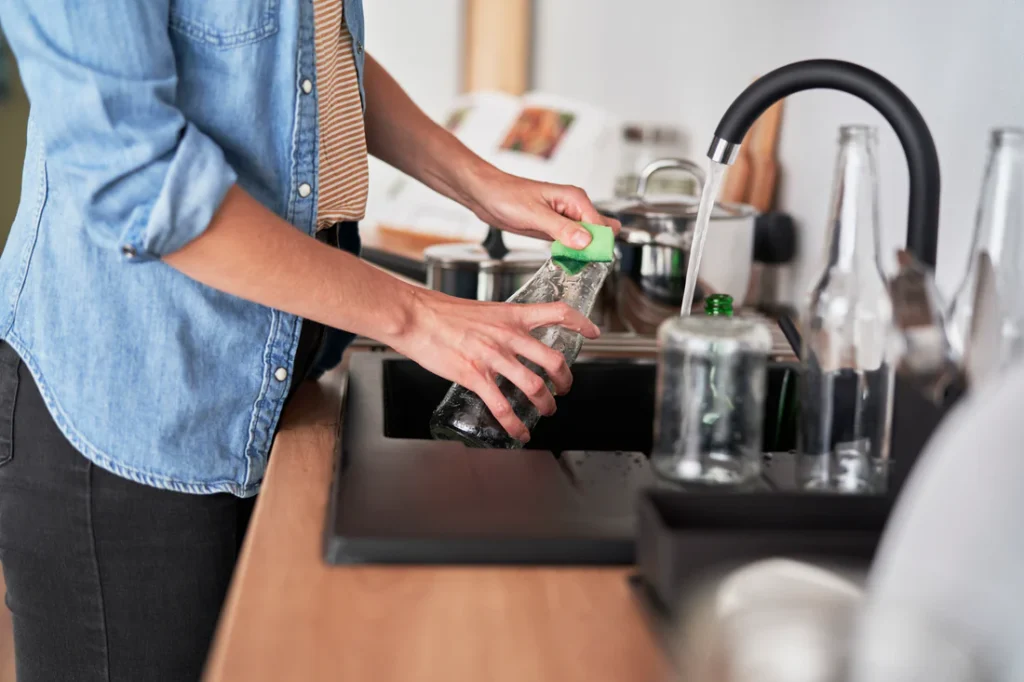
For parents raising an infant in the older buildings that define much of the New York and New Jersey landscape, the simple act of cleaning a bottle can feel like a complex logistical challenge. When you’re dealing with aging pipes, fluctuating water pressure, or the lingering fear of sediment and contaminants, the “wash, rinse, repeat” cycle of bottle maintenance requires a bit more intention.
Ensuring your baby’s feeding gear is truly clean is a cornerstone of feeding formula safety. In an older apartment, you don’t need a total plumbing overhaul to achieve this; you just need a reliable, consistent routine that accounts for your home’s unique constraints.
1. Understanding the Plumbing Context
Older buildings often rely on galvanized steel or even older lead-based piping. While municipal water systems are treated to be safe, the water quality can change as it travels through the internal plumbing of a pre-war building.
If your building has aging infrastructure, the most important rule is to flush the pipes. Before using water for washing or sanitizing bottles, run the cold water tap for at least one to two minutes—especially in the morning or after the tap has been unused for several hours. This simple step helps clear out water that has been sitting in contact with the interior of your pipes, which is where metals and debris are most likely to accumulate. Always prioritize cold water for this purpose; hot water from an older water heater is more likely to contain dissolved minerals or residues from inside the tank.
2. Setting Up a Sanitization Station
In a small kitchen with old plumbing, your sink might be the most “challenging” surface in the house. It is often the place where bacteria can linger if the basin itself is porous or damaged.
To create a safe zone:
- The Basin Method: Never wash bottles directly in the sink basin. Instead, use a clean, dedicated plastic washbasin or tub that is used only for baby bottles. This prevents contact with the residue and grime that can accumulate in an older kitchen sink.
- Sterilization is Key: Given the concerns about water quality in aging buildings, sanitization should be a non-negotiable part of your routine. Whether you use a steam sterilizer, boiling water, or a microwave-safe bag, ensuring that your bottles reach a high enough temperature to kill bacteria is your best defense against potential contaminants.
3. The Role of Filtered Water
If you are worried about the quality of the water coming through your pipes, consider using filtered water for the final rinse of your bottles. While a simple rinse might seem minor, it ensures that your bottles aren’t drying with any particulates or chlorine deposits left on the surface.
There are many NSF-certified water filtration pitchers or faucet attachments that are excellent for apartment living. They are compact, non-invasive, and provide that extra layer of confidence that the water touching your baby’s feeding gear is as clean as possible.
4. Maintenance and Storage
Once your bottles are clean and sanitized, the way you store them is just as important as how you wash them. In older apartments, especially those that may be prone to humidity or dust, keeping gear covered is essential.
- Air Dry Safely: Use a dedicated bottle drying rack, but place it in an area of the kitchen that is away from the sink and any potential splashes. Ensure the rack is kept clean and free of water buildup, which can lead to mold or mildew—a common issue in older, less-ventilated spaces.
- Covered Storage: Once dry, store the bottles in a clean, covered container or a dedicated drawer. This protects them from dust, pests, or kitchen-related debris that is common in older buildings.
5. Integrating Hygiene into Your Daily Routine
Cleaning bottles is just one aspect of maintaining a healthy environment. It is helpful to treat bath and hygiene safety with the same level of care. If you are using the same kitchen area to rinse baby gear as you are to prepare your own food, always maintain strict hygiene protocols: wash your hands thoroughly before handling bottles, and sanitize your counter spaces regularly.
These home safety basics are the foundation of a healthy urban home. By keeping your prep area clean and your feeding gear stored safely, you eliminate the risks that come with shared living spaces.
6. Staying Informed as a City Parent
Urban living requires a high level of situational awareness. Being a parent in the city means you are constantly balancing convenience with the realities of urban baby safety.
If you ever have concerns about your building’s water or if you suspect a plumbing issue, don’t hesitate to reach out to your property manager or landlord. Furthermore, stay vigilant about product safety. Bottle manufacturers frequently update their materials, and knowing what is safe to use—and how to properly clean it—is part of your role as an informed parent.
Finding Your Rhythm
It is easy to let the anxiety of “old building living” take over, but remember that millions of families have raised healthy children in these same buildings. Your goal is not to be a chemist or a plumber; it is to create a consistent, safe habit.
If you ever feel overwhelmed, remember to check our FAQ page for practical answers to common parent concerns, or visit our blog for more tips on navigating the complexities of parenting in the city.
You don’t have to navigate these logistics alone. If you need specific advice or just want to feel part of a community, you can always contact us. You are doing an incredible job balancing the challenges of your home with the needs of your baby, and that dedication is the most important factor in your child’s health.
For ongoing advice, tips, and support in creating a secure, healthy environment for your little one, visit the Infant Safety Guide home page.